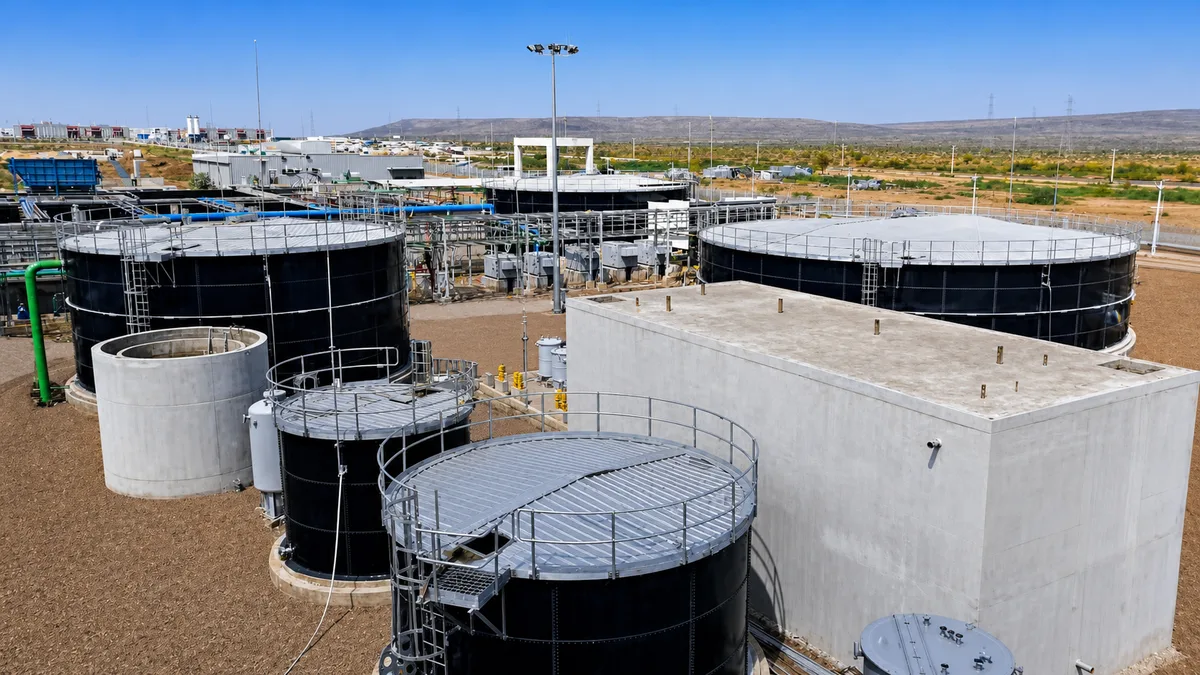
Waste-to-energy storage solution page for biogas, biomass digestion, organic waste, gas holders, digesters, and RFQ preparation.
Waste-to-energy storage pages should connect feedstock, digestion, biogas storage, gas pressure, digestate, and safety accessories.
Waste-to-Energy Storage Solutions
Waste-to-energy projects can include agricultural waste, food waste, livestock manure, sludge, biomass, or mixed organic waste. Tank selection depends on whether the storage duty is feedstock buffer, anaerobic digester, biogas holder, digestate tank, or wastewater process tank.
The tank manufacturer needs process data, not just capacity. Feedstock solids content, pH, temperature, gas production, H2S exposure, mixing, heating, membrane roof, and maintenance access all influence the storage package.
This application connects naturally to anaerobic digester tanks, biogas storage tanks, and double membrane roof systems. It should support RFQ routing, not become a generic renewable-energy article.
Use the specification points above to compare tank options, clarify project requirements, and prepare a more accurate RFQ before discussing final pricing.
For a quotation, confirm the stored media, required capacity, project location, design or document requirements, roof and accessory scope, inspection needs, and installation responsibility.
Procurement Scope and Handover Notes
Waste-to-Energy Storage Solutions should be reviewed as part of a complete storage system. Before final pricing, the buyer should confirm whether the supplier scope includes engineering drawings, material or coating records, roof and accessory supply, packing protection, installation documents, and commissioning support.
For international RFQs, the same tank volume can lead to different quotations if site loads, corrosion data, inspection requirements, approval standards, or installation responsibility are missing. A stronger inquiry clearly separates confirmed data from assumptions so the supplier can respond with a comparable technical proposal.
Next RFQ Steps
Send feedstock, process role, capacity, gas volume/pressure, temperature, pH/solids data, roof/accessory needs, and project delivery scope.
Define whether the storage duty is liquid, slurry, solid, or gas
Waste-to-energy projects can include feedstock receiving, slurry or digestate tanks, leachate storage, anaerobic reactors, gas holders, condensate collection, desulfurization vessels, ash or dry material storage, and process-water tanks. These duties differ in chemistry, solids, pressure, odor, abrasion, temperature, and safety requirements.
The project team should map every proposed tank or holder to the process flow. A membrane gas holder used for short-term pressure buffering is not equivalent to a wastewater tank, while a digestate storage tank should not be specified from gas-system data. Clear equipment tags and duty descriptions prevent scope from drifting between vendors.
Connect gas buffering to treatment and energy use
For biogas or landfill-gas systems, expected minimum and maximum flow, methane, carbon dioxide, H2S, moisture, condensate, pressure range, and known contaminants should be supplied. Holder capacity and control strategy depend on the relationship between gas production, treatment, flare capacity, boiler or generator demand, and credible trip conditions.
Relief, hazardous-area classification, flame control, electrical controls, isolation, emergency response, and permitting remain system-level responsibilities unless explicitly assigned. The holder supplier should define supplied pressure-control components and interfaces so process and safety teams can complete the broader review.
Plan lifecycle access for difficult waste streams
Waste-derived liquids and slurries may settle, foam, form scale, generate odor, or create corrosive gas spaces. Mixing, recirculation, drains, cleanout, roof or cover, vents, sampling, platforms, and safe isolation should follow the operator’s maintenance method rather than a generic tank arrangement.
A complete inquiry should also identify feedstock variability, treatment chemicals, upset conditions, containment, foundation, site loads, installation constraints, inspection records, and replacement materials. These controls help ensure that an energy-recovery objective does not obscure the practical storage and maintenance requirements of the tank system.