Home›Projects›Dubai Fire Water Storage Tank Project
Dubai Fire Water Storage Tank Project
Project case guide for fire water storage tanks in high-temperature industrial or commercial sites, including reserve volume, pump interface, coating, and RFQ data.
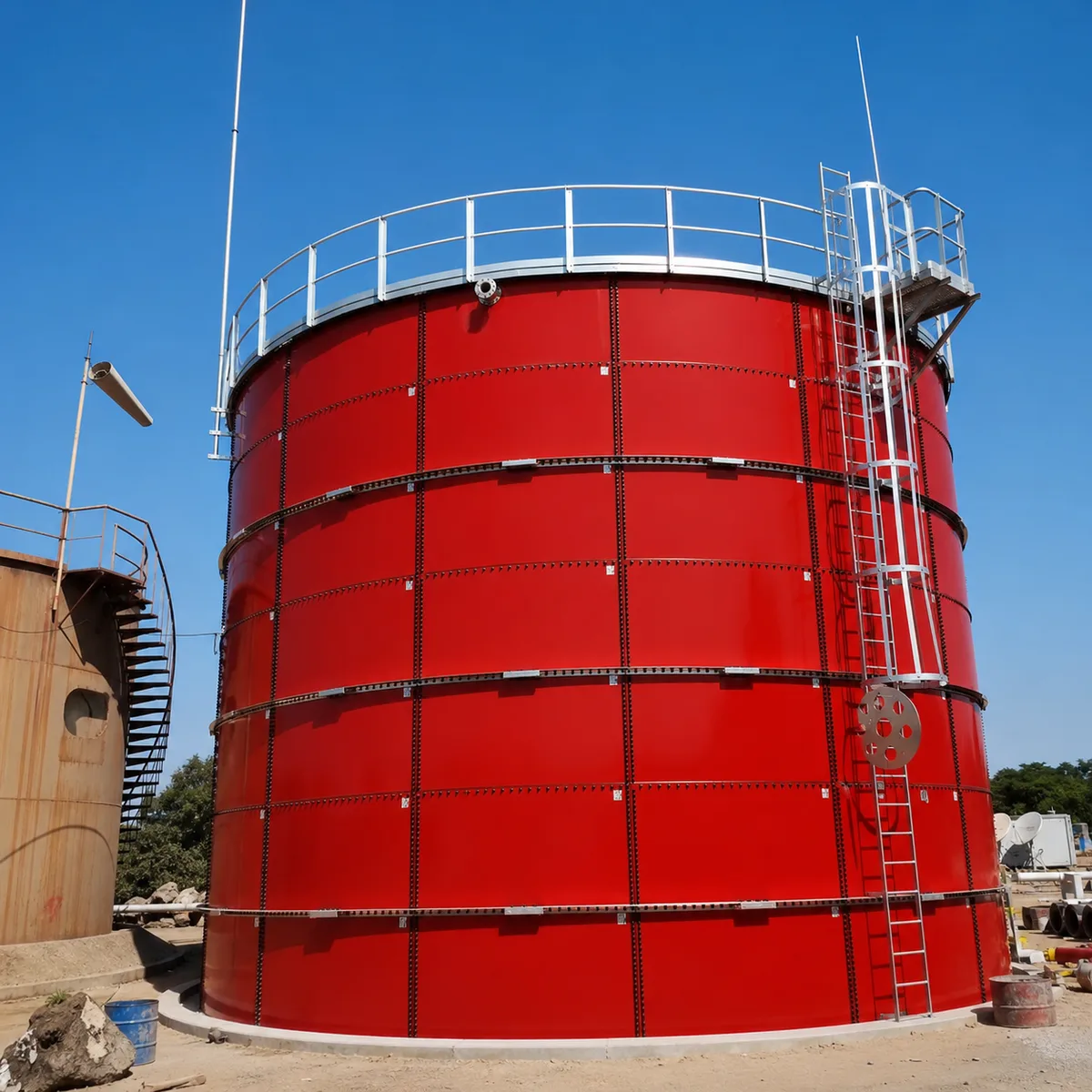
Fire water storage tank project for industrial fire protection reserve and pump system interface.
Fire water projects are reliability and approval-driven storage projects
Project case guide for fire water storage tanks in high-temperature industrial or commercial sites, including reserve volume, pump interface, coating, and RFQ data. Use the case to identify comparable operating conditions and RFQ inputs; final design remains project-specific.
The first technical review should confirm fire reserve volume, pump suction vortex control, civil defense review, high ambient temperature, UV exposure, coating heat resistance. Record preliminary assumptions separately from confirmed project data so suppliers quote the same scope.
Dubai Fire Water Storage Tank Project Review Matrix
Review area
Specific data to confirm
Operating duty
fire reserve volume, pump suction vortex control, civil defense review, high ambient temperature, UV exposure, coating heat resistance.
Risk controls
diesel pump interface, jockey pump return, sprinkler demand duration, hydrant flow allowance, tank low-level alarm, overflow to safe area.
Interface details
emergency readiness inspection, warehouse fire load, roof venting, site access for fire authority, anti-vortex plate, commissioning flow test.
Document package
fire reserve volume, pump suction vortex control, civil defense review, high ambient temperature, UV exposure, coating heat resistance, diesel pump interface, jockey pump return, sprinkler demand duration, hydrant flow allowance, tank low-level alarm, overflow to safe area, emergency readiness inspection, warehouse fire load, roof venting, site access for fire authority, anti-vortex plate, commissioning flow test.
Quotation boundary
Confirm included scope, excluded scope, local responsibility, inspection points, and acceptance criteria for this exact duty.
What This Project Reference Demonstrates
A comparable project review should begin with fire reserve volume, pump suction vortex control, civil defense review, high ambient temperature, UV exposure, coating heat resistance. These values establish the design and procurement basis for this specific topic.
If one quotation ignores diesel pump interface, jockey pump return, sprinkler demand duration, hydrant flow allowance, it should not be compared directly with a proposal that includes those checks. The difference may be scope, not price.
Site Interfaces, Inspection, and Handover
Interface review should include emergency readiness inspection, warehouse fire load, roof venting, site access for fire authority, anti-vortex plate, commissioning flow test. These details affect drawings, accessory supply, packing, installation sequence, and responsibility split between supplier, EPC contractor, and site team.
Inspection should be tied to this duty. Instead of asking for a generic certificate set, request records that prove the supplier controlled the relevant material, coating, weld, membrane, roof, accessory, or assembly step.
Data Needed for a Comparable Project RFQ
The RFQ package should include the documents and values behind fire reserve volume, pump suction vortex control, civil defense review, high ambient temperature, UV exposure, coating heat resistance, diesel pump interface, jockey pump return, sprinkler demand duration, hydrant flow allowance, tank low-level alarm, overflow to safe area, emergency readiness inspection, warehouse fire load, roof venting, site access for fire authority, anti-vortex plate, commissioning flow test. Missing data should be marked as preliminary so technical review can separate firm design assumptions from budget-stage assumptions.
Keep approved drawings, scope clarifications, inspection records, packing requirements, and installation responsibilities in one project file so technical and commercial reviews use the same assumptions.
Project Comparison Notes
Base supplier comparison on confirmed data for fire reserve volume, pump suction vortex control, civil defense review, high ambient temperature, UV exposure, coating heat resistance, diesel pump interface, jockey pump return, with uncertainties identified as preliminary assumptions.
Apply the contracted standard, owner specification, and buyer-country approval requirements. International references can support discussion but do not replace local engineering approval.
Next RFQ Step
Send capacity, stored medium, chemistry, temperature, roof requirement, nozzle list, site loads, foundation status, documentation requirement, and installation boundary for technical review.
Fire-water reserve is governed by the facility protection design
A fire-water tank is sized from the approved fire strategy, required flow and duration, simultaneous demands, minimum suction level, dead volume, freeboard, and any refill allowance accepted for the project. It should not be selected by applying a general building-water volume or by copying another site’s nominal capacity.
The responsible fire-protection designer and destination authorities determine the governing requirements. The tank supplier needs the resulting usable-volume basis, suction and refill arrangement, design loads, accessories, inspection, testing, and documentation scope without implying approval of the complete fire system.
Address hot-climate hydraulics and exposed equipment
For Dubai or comparable hot, exposed sites, solar heating, UV, external corrosion atmosphere, thermal movement, dust, and equipment accessibility may affect roof components, seals, instruments, ladders, platforms, pipes, valves, and maintenance planning. Project-specific temperature and environmental data should be provided rather than relying on a generic regional label.
Pump suction nozzle elevation, anti-vortex provisions, pipe support, nozzle reactions, isolation, overflow, drain, test return, level alarms, and refill controls need coordinated ownership. The tank foundation and discharge routes should remain protected during testing or overflow, and commissioning should verify interfaces with pumps, controls, and the fire-water network.