Industrial Tank Manufacturing Directory
Manufacturing pages build credibility for B2B buyers by showing how engineering, production, inspection, and documentation are controlled.
Use this hub to review production process, quality control, and certification-related trust pages.
Directory Review Focus
Manufacturing pages support supplier qualification. They explain how production process, quality control, certification review, inspection records, packing, and export documentation reduce risk in high-value industrial tank procurement.
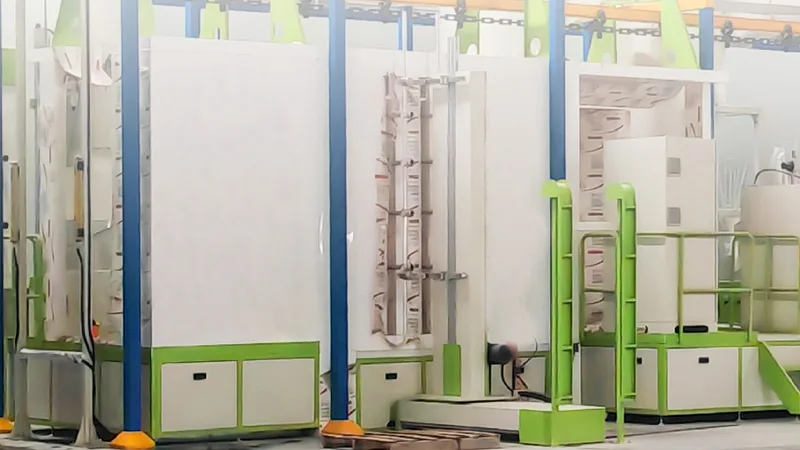
Buyers should use this directory to check whether the supplier can control material preparation, coating or fabrication steps, dimensional inspection, packing marks, installation documents, and document handover before placing an order.
These trust pages should connect back to product and project pages: production process supports product consistency, quality control supports project acceptance, and certification records support buyer-side prequalification.
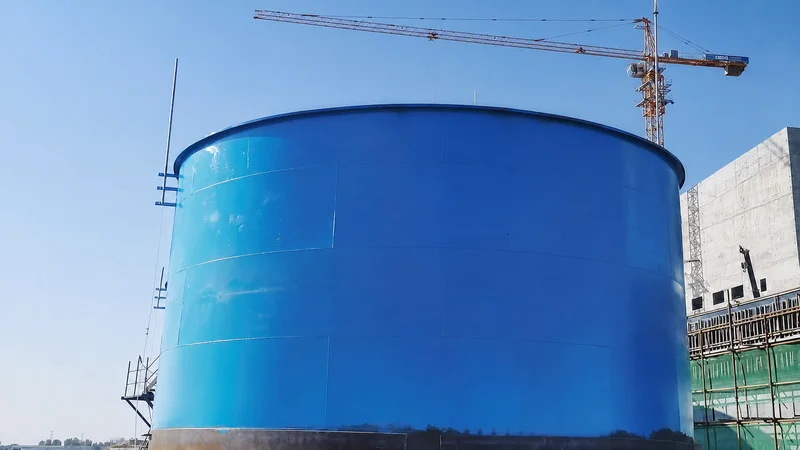
For bolted tanks, the manufacturing review should cover panel cutting, punching, forming, coating or enamel firing, accessory preparation, packing protection, and traceability. For welded tanks or pressure-related equipment, the review should focus more on fabrication sequence, welding procedure, inspection scope, and field execution assumptions.
A serious buyer should ask how factory records connect to the final shipment: material certificates, coating logs, dimensional records, photo records, packing lists, installation drawings, and any project-specific inspection documents. This directory is therefore a trust layer for RFQ qualification, not a replacement for product data sheets.
During supplier comparison, manufacturing capability should also be linked to after-sales execution. Clear packing marks, spare part identification, installation drawing consistency, and inspection photos help the site team assemble or inspect the tank without guessing which part belongs to which ring, roof bay, nozzle, or platform location.
Supplier qualification should also confirm how changes and nonconformances are controlled. Buyers need to know who can approve a substitution or repair, how the affected component is identified, which inspection is repeated, and how the final disposition appears in the project record. This control path is more meaningful than a broad statement that every item is checked.
Manufacturing capability must be interpreted against the purchased scope. A factory may supply tank panels, a welded shell, a roof package, accessories, drawings, supervision, or a complete equipment package, while civil works, process design, piping, controls, erection, testing, and commissioning remain with other parties. The quotation and handover index should make these boundaries visible before award.