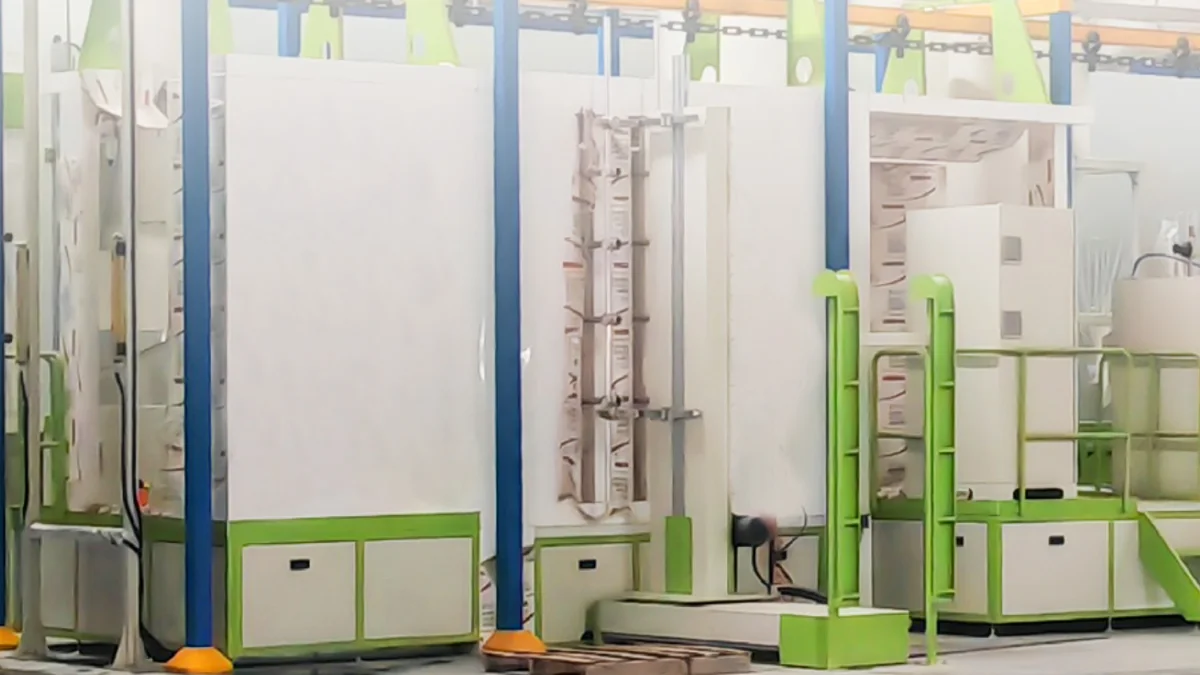
Industrial tank production process covering design review, material traceability, fabrication or coating workflow, inspection gates, packing, shipment, and handover.
Tank production should turn approved project data into traceable materials, controlled manufacturing steps, inspection records, protected packing, and a defined handover package.
Manufacturing starts with a released engineering basis
A credible manufacturing process does not begin at the machine line. It begins when the supplier and buyer have agreed the duty, dimensions, material system, roof and accessory scope, loading interfaces, inspection requirements, delivery route, and document list. That review separates a budget concept from a production-ready order.
Buyers can use this page with the quality control overview and the RFQ data checklist to understand what should be settled before fabrication or factory coating starts.
Manufacturing control stages
Stage
Control objective
Order and design review
Confirm approved drawings, service duty, loads, materials, accessories, standards, inspection plan, document list, packing, and scope boundary.
Material preparation
Identify material grade or panel system, protect traceability where specified, check dimensions, prepare surfaces, and separate accepted from nonconforming material.
Production route
Apply the approved forming, welding, enameling, coating, galvanizing, machining, drilling, sealing, or assembly method required by the selected system.
Inspection gates
Verify defined dimensions, surface or weld condition, coating or enamel controls, fittings, accessories, and records before packing.
Packing and shipment
Protect parts, label packages, issue packing data, account for transport limits, and preserve the materials and documents needed for site assembly.
Freeze the engineering basis before production release
Before material is cut, formed, coated, or shipped, the project team should resolve tank duty, capacity, dimensions, design loads, corrosion basis, roof and nozzle configuration, platform and ladder scope, inspection points, and the installation boundary. A manufacturer can only control what has been released; late changes need formal review because they can affect layout, materials, packing, and test requirements.
The document set should state which drawings and calculations are included, who approves them, and which requirements are still pending. If an owner standard, local authority condition, or site measurement is not available at order release, it should be logged as an assumption or hold point rather than silently absorbed into a general product description.
Match the production route to the selected tank system
Bolted, coated, glass-fused, galvanized, stainless, and welded systems do not use the same sequence or controls. The process should explain which operations are applicable to the chosen package and how the supplier protects critical surfaces, joints, holes, edges, fasteners, seals, and accessories. A process description should not imply that one tank technology is manufactured like every other one.
Traceability can include material identity, lot references, coating batches, workmanship records, inspection results, and packing references where the project specification requires them. The purpose is practical: the owner and installer should be able to connect delivered components to the approved drawings and quality record without reconstructing the project from memory.
Use inspection gates before defects move downstream
Inspection should occur at planned stages, not only at the end of production. The relevant checkpoints depend on the tank system and project specification, but may cover incoming materials, dimensions, welding or surface condition, coating or enamel records, fittings, accessory fit-up, and packing condition. The agreed inspection and test plan should identify witness or hold points when required.
If a deviation is found, it should be recorded, assessed against the approved requirement, corrected or accepted through the proper authority, and reflected in the final records. This is more valuable than a generic statement that every tank is inspected because it establishes how decisions are controlled when reality differs from the drawing.
Pack for the actual site and hand over the evidence
Export packing must protect coated panels, roof components, seals, fasteners, instruments, and accessories through loading, transport, unloading, and site storage. Package identification, packing lists, lifting points, transport restrictions, and spare or repair materials should be planned around the delivery route and installation sequence, especially for remote sites or mixed-container shipments.
The final package should connect production to site work: approved drawings, relevant inspection records, packing list, installation information, accessory schedule, repair guidance, manuals, and any agreed certificates. This does not transfer project-wide design or commissioning responsibilities to the manufacturer, but it gives the owner clear evidence for the supplied tank scope.
RFQ and Next Steps
For production planning, provide released or preliminary drawings, duty, materials, coating or fabrication route, inspection requirements, accessory list, packing constraints, required documents, installation scope, and the approval path for changes.