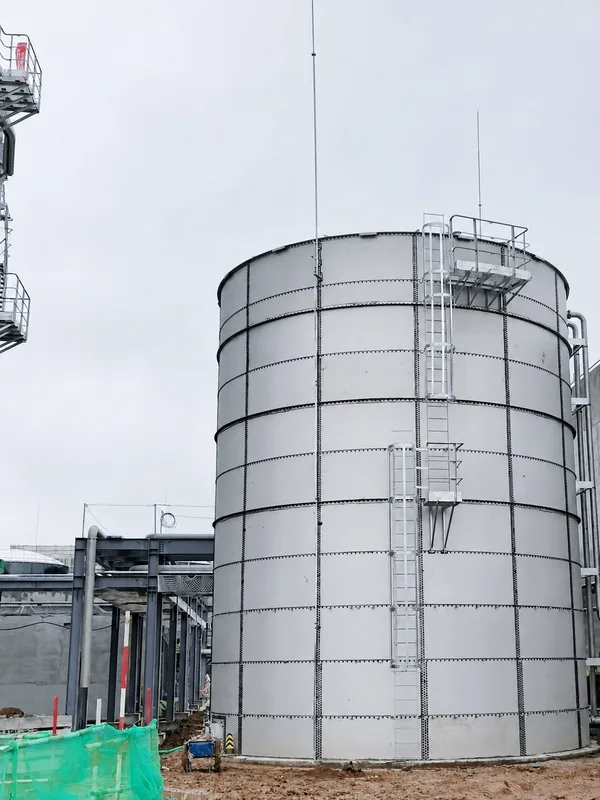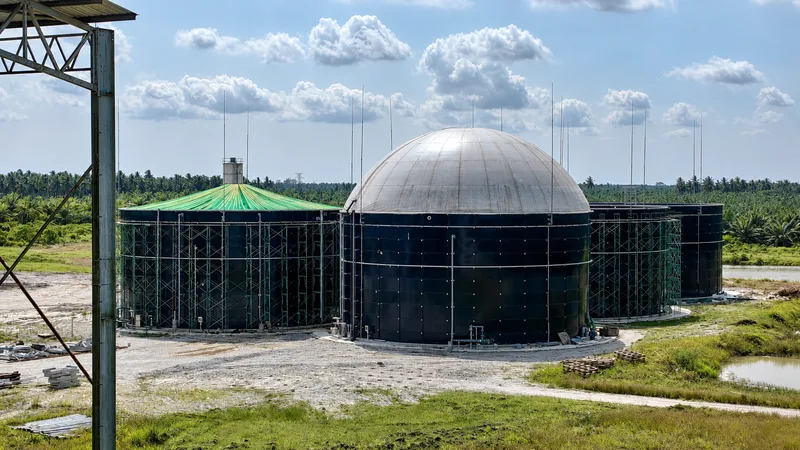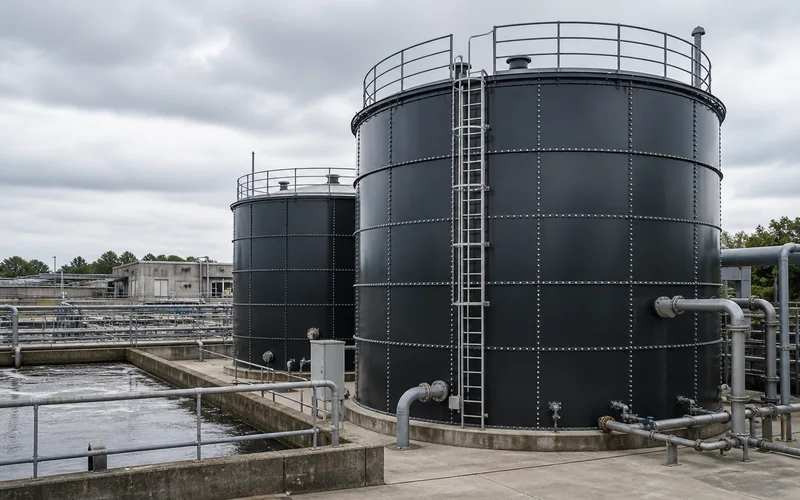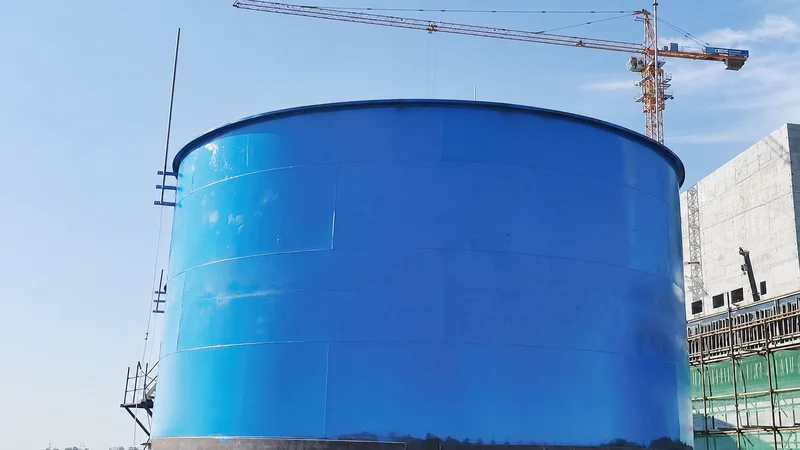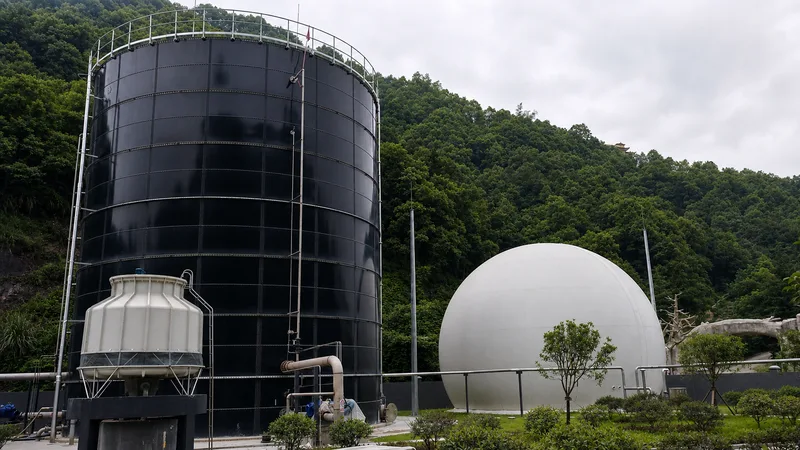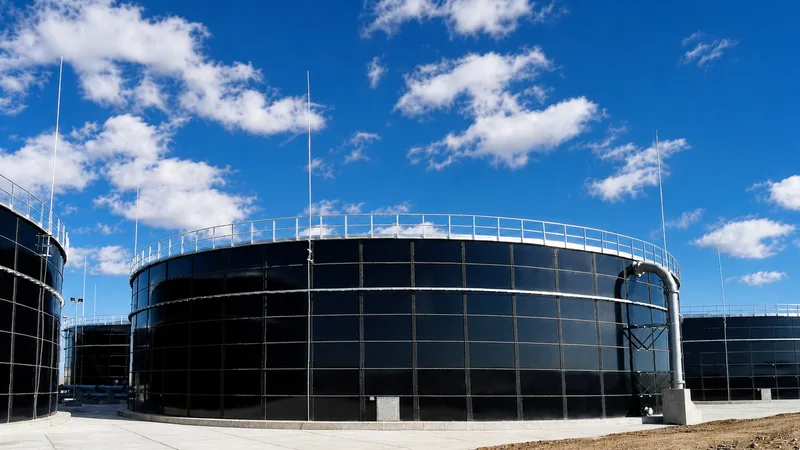
Glass-Fused-to-Steel Tanks Engineering Overview
Glass-Fused-to-Steel Tanks should be reviewed as a B2B engineering decision rather than a simple catalog item. Buyers should connect the quotation to stored medium, capacity, material selection, corrosion protection, roof system, site loads, accessories, inspection records, and installation boundary before comparing tank manufacturers or suppliers.
This product category supports early supplier qualification. It helps the buyer describe the storage duty, confirm the required documents, and prepare a practical RFQ that can be evaluated on scope, engineering basis, and risk control instead of price alone.
The page is written for export buyers, EPC contractors, plant engineers, and project owners who need a structured way to compare industrial tank offers. The final design should always follow the project standard, local authority requirements, and owner specification.
RFQ Data to Confirm
| RFQ Area | What the Buyer Should Provide |
|---|---|
| Stored media and duty | Water, wastewater, industrial liquid, process storage, bulk material, or application-specific storage duty, operating cycle, cleaning method, and any abnormal conditions. |
| Capacity and geometry | Working volume, nominal capacity, diameter or height limits, freeboard, process reserve, and site layout restrictions. |
| Material and protection | Required material grade, coating or lining, corrosion allowance, gasket and fastener assumptions, and design life expectation. |
| Roof and accessories | Roof type, vents, hatches, nozzles, drains, ladders, platforms, instruments, mixers, and owner-supplied interfaces. |
| Site and standards | Project country, wind, seismic, snow if applicable, foundation interface, design standard, approval route, and third-party inspection needs. |
| Commercial scope | Packing, freight boundary, installation supervision, spare parts, document language, warranty boundary, and commissioning support. |
Engineering Review Priorities
The supplier should explain which assumptions are used for Glass-Fused-to-Steel Tanks. A useful quotation should show the design basis, selected tank or roof configuration, key accessories, protection system, inspection records, and drawing approval process.
The most important technical risks for this duty are generic quotations, unclear design assumptions, missing accessories, weak inspection documentation, and incomplete installation responsibilities. These risks should be addressed before purchase because late changes can affect fabrication, coating, packing, freight, and site installation.
Buyers should also ask whether the supplier can support project-specific drawings, installation instructions, remote or on-site supervision, and post-commissioning spare parts. For exported tank systems, these items often matter as much as the shell price.
Application Fit and Selection Limits
No tank product should be treated as universal. The same capacity can require different materials, coatings, roofs, nozzles, and inspection plans depending on stored medium, site conditions, and approval route. Reference projects are useful, but the buyer should not copy a reference specification without checking the actual project data.
If the project is still at concept stage, submit a preliminary RFQ with assumptions clearly marked. A professional supplier can then identify missing data, budget risks, and alternative configurations before the final technical specification is frozen.
Quality Records and Supplier Comparison
Compare suppliers by design basis, material traceability, coating or fabrication controls, accessory completeness, packing method, installation support, and document quality. A low headline price may exclude items that the site team will still need before installation or approval.
The buyer should request approved drawings, inspection records, packing lists, installation notes, and any agreed deviations in one project file. This makes it easier to verify delivered materials against the purchased scope.
Project Execution and Change Control
Before production release, the buyer should confirm how drawing revisions, nozzle changes, accessory updates, and site-load changes will be handled. Even small changes can affect panel fabrication, roof interfaces, coating repair scope, packing lists, installation sequence, and delivery schedule.
For international projects, the quotation should also identify document language, container loading method, unloading responsibility, spare parts, field repair materials, and whether installation supervision is remote or on site. These details help the buyer compare total project risk rather than only purchase price.
Early clarification reduces avoidable rework.
Standards and Reference Notes
For water-storage and industrial tank specifications, buyers should confirm the project standard through the owner or engineer and verify references through official standards organizations such as the AWWA standards store or the API standards portal where applicable.
External references are used for technical context only. The final requirement should be confirmed with the owner, project engineer, and local authority before order release.
Move from Research to RFQ
Send the media data, capacity, site loads, standard requirement, accessory list, inspection scope, and installation boundary when requesting a quotation for Glass-Fused-to-Steel Tanks.