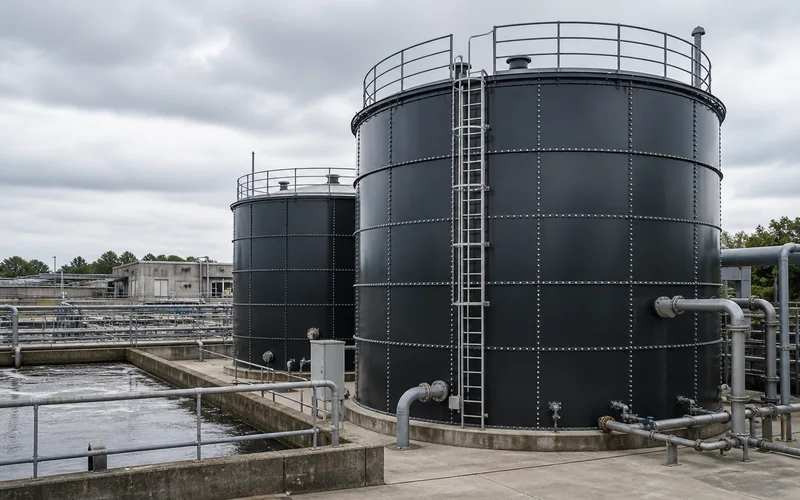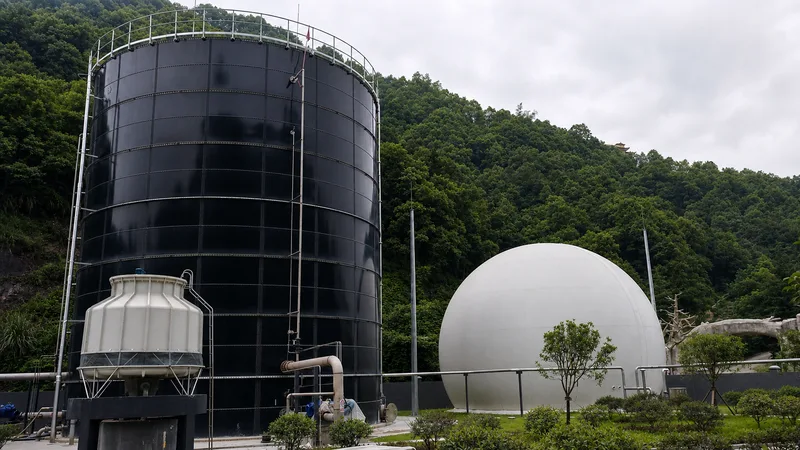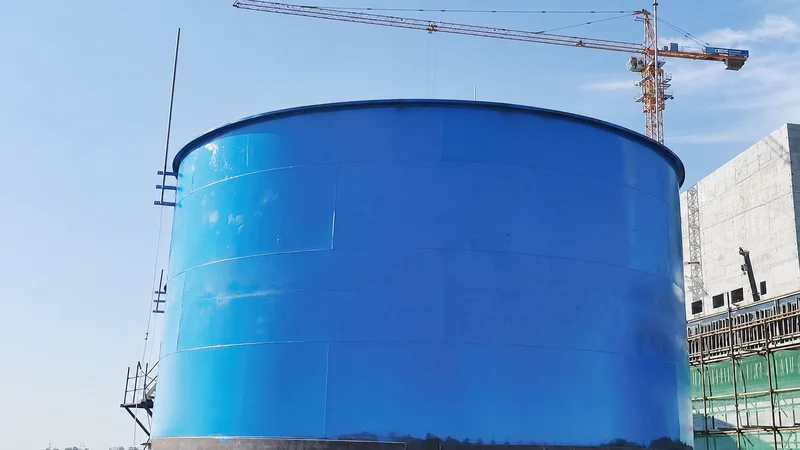
Bitumen Storage Is a Thermal and Transfer System
Bitumen storage tanks are used for viscous asphalt binders, paving grades, modified binders, and compatible heated products. The required tank is defined by the actual product grade, delivery condition, target storage temperature, permitted temperature range, residence time, ambient conditions, unloading rate, transfer rate, and the owner's operating sequence. A nominal volume alone cannot establish the heating duty, pumpability, insulation, roof configuration, or safe controls required for the service.
The tank must be evaluated as one package. Shell and floor construction, heating medium, heat-transfer surfaces, thermal-oil or steam interface where applicable, insulation, cladding, circulation, inlet and outlet piping, level measurement, vents, access, drainage, and maintenance all affect the operating result. The process engineer should state normal, startup, standby, cleaning, and upset conditions before a supplier confirms the mechanical layout.
For broader construction selection, compare the scope with welded steel storage tanks. Bitumen duty needs a separate review because temperature, viscosity, heating method, and transfer behavior can govern the design even when the vessel is an atmospheric steel tank.
Bitumen Tank RFQ Matrix
| Decision area | Information to issue before design confirmation |
|---|---|
| Stored product | Grade or specification, product data sheet, density, delivery condition, viscosity-temperature behavior, additives, expected storage period, and maximum permitted temperature. |
| Thermal duty | Delivery and target temperature, minimum ambient condition, permitted heat-up rate, heating medium, available utility conditions, control philosophy, and battery limits. |
| Hydraulics | Working volume, unloading and transfer rates, pump arrangement, circulation duty, line insulation or tracing scope, drains, and tank turnover pattern. |
| Mechanical package | Shell, bottom, roof, vents, nozzles, heating surfaces, insulation, cladding, ladders, platforms, instruments, access, supports, and pipe loads. |
| Project controls | Design basis, site conditions, safety review where applicable, inspection plan, documents, installation boundary, commissioning scope, and handover requirements. |
Start With Product and Temperature Data
The stored bitumen must be identified by the project, not assumed from a generic product name. Different grades, modified binders, additives, and blends can have different handling temperatures and viscosity behavior. The owner should provide the product specification, normal delivery condition, target operating range, maximum permitted temperature, expected storage duration, and restrictions on circulation. These inputs are needed before heat-transfer area, controls, and operating procedures can be discussed responsibly.
Thermal design must also consider how the product enters and leaves the tank. A tank receiving hot deliveries may have a different duty from one that must recover after a cold-weather layover. The required heating rate, utility availability, permissible product temperature gradient, circulation route, and heat-loss assumptions should be established by the responsible process engineer. The supplier can then state the mechanical and interface requirements while the project retains responsibility for the approved process basis.
Coordinate Heating, Insulation and Circulation
Heating equipment should be selected as part of the complete thermal circuit. The RFQ needs to identify whether the project uses thermal oil, steam, electric heating, or another owner-approved system; the available temperature and pressure at the battery limit; controls; condensate return where relevant; expansion and safety provisions; instruments; and the party responsible for the heat source. Internal coils, external circulation, and other arrangements have different maintenance, cleaning, leakage, and inspection implications.
Insulation and weather protection are not cosmetic additions. Their thickness, cladding material, weather exposure, wind and rain conditions, access details, and allowance for thermal movement should be coordinated with the shell, roof, nozzles, manways, pipe supports, and platform connections. Circulation may be required to support consistent temperature or transferability, but its purpose, flow path, pump duty, and controls must be stated instead of copied from another site.
- Issue the heating medium and design conditions at the tank interface.
- State whether circulation is required for temperature control, transfer, or another defined purpose.
- Define insulation, cladding, maintenance access, and thermal-movement interfaces in the bid package.
Design for Filling, Emptying and Maintenance
Bitumen handling can involve heated pipework, unloading hoses, pumps, valves, level instruments, sampling points, vents, overflow arrangements, and access equipment. The design basis should state nozzle loads, pipe-support responsibility, tank operating levels, high-level protection, transfer logic, drain points, isolation, maintenance clearances, and lifting needs. The roof, shell, and access system must be reviewed with these loads rather than finalized as a bare vessel.
Inspection and maintenance planning should include safe access to instruments, vents, heating connections, insulation penetrations, ladders, platforms, and the interior where required. The owner's safe-work process determines isolation, temperature management, working-at-height controls, and confined-space arrangements. These procedures are site-specific and should not be inferred from a generic product drawing. Use the industrial tank RFQ data checklist alongside the thermal and process documents.
Set Clear Quality and Supply Boundaries
A quote should identify the governing design basis, material grades, welding and inspection requirements, leak or test basis, external protection scope, heating and insulation inclusions, documentation, and exclusions. It should also separate the tank package from foundations, civil drainage, unloading pumps, heat source, electrical works, controls, pipework beyond stated interfaces, installation, and commissioning unless those items are expressly included. This avoids treating a price for a tank shell as a complete heated-storage system.
The project team should review the finished proposal against the real operating sequence: delivery, initial heat-up, routine storage, transfer, circulation, low-level operation, shutdown, and maintenance. A practical proposal makes assumptions visible and can be compared against other bids. For terminal and compatible liquid-storage context, see the petrochemical and oil storage application guide before issuing the final RFQ.
Data to Include in the RFQ
A complete bitumen tank RFQ connects the product and thermal basis with transfer operations, mechanical interfaces, inspection, and the supply boundary.
- Bitumen grade or product specification, density, delivery and storage temperatures, maximum permitted temperature, viscosity-temperature behavior, additives, and expected residence time.
- Gross and working volume, tank turnover, unloading and transfer rates, pump and circulation duty, normal and alarm levels, overflow philosophy, drains, and line interfaces.
- Heating medium, available utility conditions, thermal control basis, permitted heat-up rate, preferred heat-transfer route, insulation, cladding, and maintenance access.
- Tank geometry, roof, vents, manways, nozzles, instruments, ladders, platforms, pipe loads, supports, foundations, local environmental loads, transport, and installation constraints.
- Owner safety basis, inspection and test plan, documentation, operation manual, spares, and commissioning boundary.