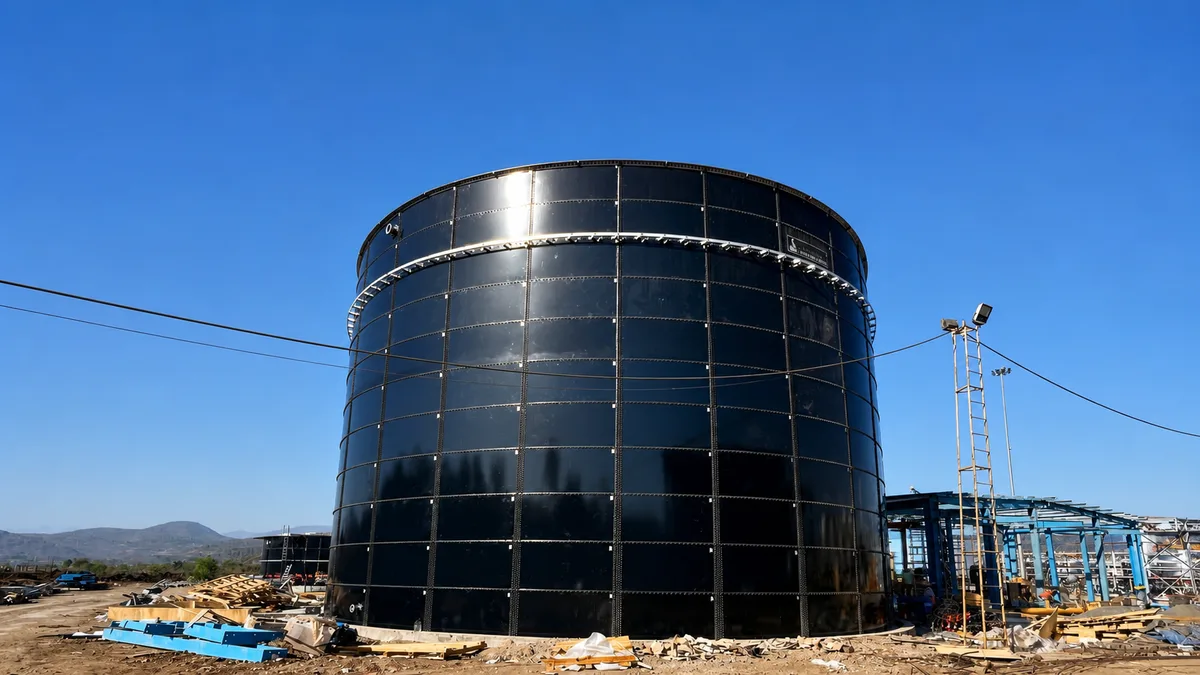
Review fire water storage project references for industrial plants, airports, warehouses, hotels, fire reserve volume, tank type, pump interface, and RFQ planning.
Fire water project references should document reserve volume, pump interface, fire protection basis, tank material, and site access.
Fire water projects are reliability projects
Fire water storage projects support emergency readiness for industrial plants, airports, warehouses, hotels, logistics facilities, energy sites, and commercial developments. The project reference should show how the tank fits the fire protection system, not only what the tank looks like.
Project references show site execution and completed scope. For duty definition, review fire protection water storage applications; for construction and accessory options, review fire water tanks. Compare references by facility type, reserve-water role, tank material, roof scope, and pump interface.
A comparable fire-water reference documents the fire design basis, reserve volume, usable volume, pump interface, access, inspection route, and whether local authority or insurer review affected the tank specification.
Fire water project data to record
Project data
Why it matters
Facility type
Airport, warehouse, hotel, industrial plant, or energy facility changes fire system demand and approval route.
Reserve volume
Usable volume, fire duration, refill logic, and low-level limits affect tank capacity.
Pump interface
Suction nozzle, anti-vortex, level control, test return, drain, and overflow must be coordinated.
Local fire authority, insurer, owner standard, or civil defense review may define special documents.
How project references support buyer qualification
A fire water project reference should help buyers understand whether the supplier can support emergency reserve systems, export packing, accessory coordination, and installation guidance. A generic photo without pump and reserve data is weak for B2B evaluation.
Project documentation should include tank drawings, nozzle schedule, coating or galvanizing records, packing photos, installation guidance, and inspection records where applicable.
Different facility types, different RFQ questions
Warehouse and commercial fire water projects often focus on fast installation, local fire approval, and clear pump interface. Industrial plants may add stronger water quality, site load, expansion, or emergency redundancy requirements.
Use the RFQ data checklist to collect project country, fire basis, reserve volume, tank size, roof requirement, pump interface, and installation boundary before requesting supplier comparison.
Using project and engineering guidance together
Detailed fire-water cases provide site and execution context, while the linked application and product guides explain duty definition and tank construction. Using them together gives buyers a clear path from reference review to an engineering-ready RFQ.
Tank handover should be coordinated with the complete fire protection package. The owner or EPC team normally needs approved drawings, nozzle and accessory schedules, material or coating records, installation checks, water-tightness or hydrostatic test records where specified, and a clear list of outstanding site work. Pump suction details, anti-vortex provisions, overflow routing, drains, level devices, and alarm interfaces should be checked against the final fire-system documents rather than assumed from an early quotation.
The inspection plan should identify who witnesses each stage and which records form part of the final data package. This is especially important when the tank, foundation, pump house, pipework, and controls are supplied by different parties. Clear interface records reduce the risk of a tank being mechanically complete while the emergency water system is not yet ready for service.
Maintaining emergency readiness
A fire-water tank spends most of its life waiting for an emergency, so the maintenance plan must address stagnant-water corrosion, roof and vent condition, level indication, access safety, drain function, sealant or coating condition, and the area around the foundation. Inspection access should be designed into the original package instead of added after installation.
The operating team should also know the usable reserve level, refill arrangement, isolation-valve position, and escalation process for defects. Inspection frequency and acceptance criteria must follow the project standard, local authority, insurer, and owner procedures; a generic schedule cannot replace the site fire-safety plan.
Standards and Reference Notes
NFPA 22 is a United States-origin consensus reference for private fire-protection water tanks. Apply it only when the project specification or authority adopts it; buyer-country rules, local fire authorities, insurer requirements, and owner specifications remain controlling.
Next RFQ Steps
Send facility type, fire protection basis, required reserve, pump interface, tank material, roof scope, site loads, approval requirements, and installation boundary.