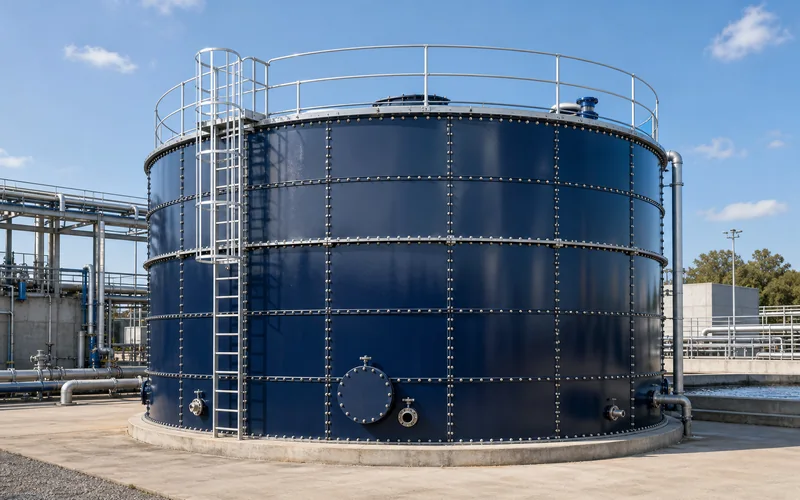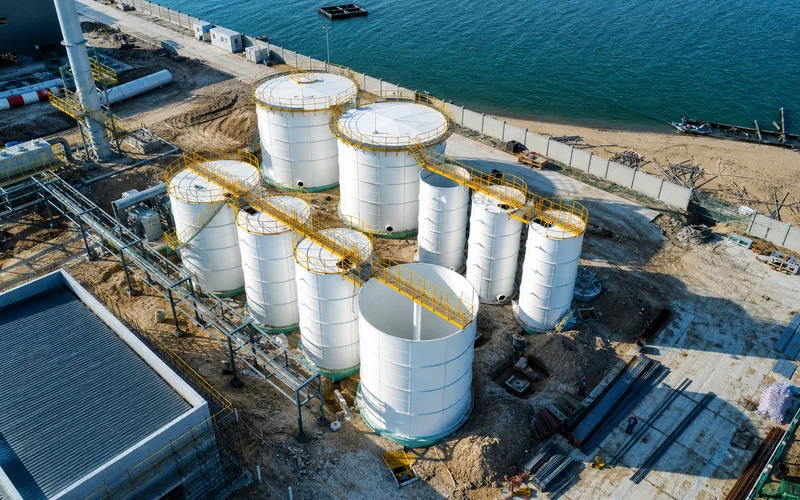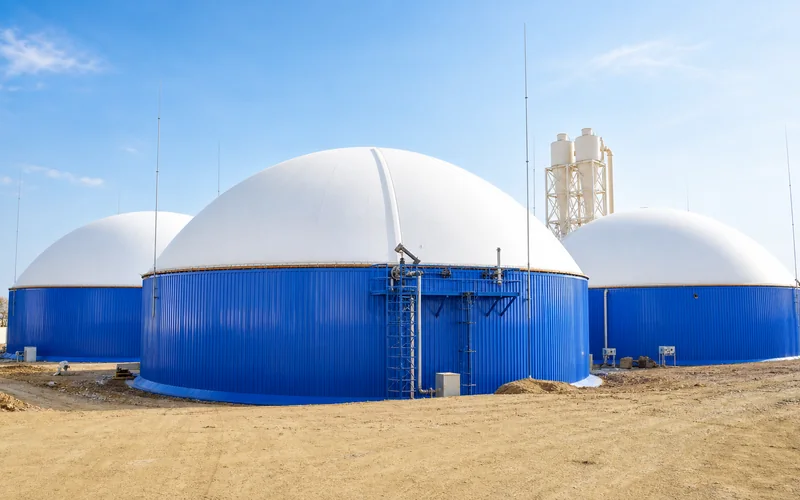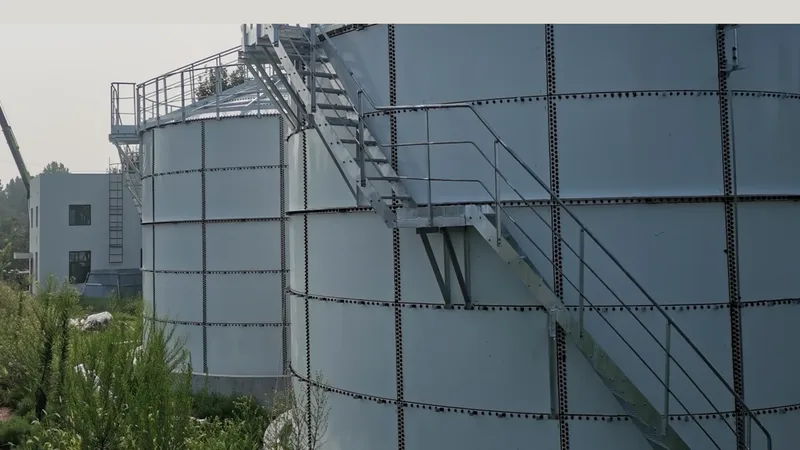
Biofuel Storage Starts With the Actual Liquid
Biofuel storage tanks may be used for biodiesel, ethanol blends, renewable diesel, bio-oils, feedstock, intermediate liquids, or another owner-defined fuel stream. These materials are not interchangeable from a tank-design perspective. The enquiry should identify composition, blend range, density, temperature, viscosity where relevant, water tolerance, additives, contaminants, expected residence time, cleaning method, and normal or upset conditions. Those inputs shape the material, protection system, vents, drains, seals, transfer arrangement, inspection approach, and maintenance route.
A tank supplier can define the supplied storage package and state its assumptions. The owner and responsible engineers still need to establish liquid compatibility, process safety, environmental duties, and local approvals for the actual facility. For application context, see the petrochemical and oil storage page. This product page focuses on making the equipment and RFQ basis technically comparable.
Biofuel Storage Tank RFQ Matrix
| Decision area | Information required before design release |
|---|---|
| Stored liquid | Fuel specification, composition or blend range, density, temperature, additives, contaminants, water limits, expected residence time, and cleaning or changeover method. |
| Tank duty | Gross and usable capacity, fill and withdrawal rates, normal and alarm levels, turnover, future expansion, and defined pressure or vacuum conditions. |
| Interfaces | Heating or insulation, recirculation, pumps, filtration, water draw-off, sampling, nozzles, vents, overflow, instruments, containment, and drainage. |
| Delivery basis | Material or coating review, roof, access, structural loads, foundation interface, inspection plan, installation boundary, documents, and acceptance requirements. |
Define Composition, Temperature, and Change Conditions
The label biofuel does not establish a universal corrosion, cleanliness, or storage requirement. A fuel stream can be blended, treated, warmed, transferred intermittently, stored for extended periods, or exposed to water and sediment during delivery. The project should issue the owner specification and identify the temperature envelope at delivery, storage, transfer, shutdown, and cleaning. It should also identify whether the tank receives more than one liquid or must be cleaned before a product change.
Heating, insulation, circulation, filtration, and water removal should be allocated explicitly. If any of these functions are required, the RFQ needs utility conditions, control responsibility, pipe loads, access, drainage, and the boundary between the tank and any separate process package. A nominal capacity cannot determine those interfaces.
Review the Complete Exposure Envelope
Compatibility is not limited to the wetted shell. It can include the liquid line, vapor space, bottom and low points, roof penetrations, gaskets, fasteners, nozzles, external atmosphere, insulation interface, and field-repair method. The owner should provide representative liquid data and confirm any restrictions on materials, coating systems, elastomers, or cleaning chemicals. Uncertain duty should remain subject to project-specific engineering review.
Use the corrosion protection guide to organize the material and repair assumptions. It supports a technical conversation but does not replace the owner-approved compatibility basis for a particular blend or site exposure.
Make Water, Sediment, and Maintenance Practical
Water entry, condensation, sediment, degradation products, and cleaning residue can affect fuel quality and maintenance. The bid package should identify the low-point arrangement, water draw-off, drains, sampling, inspection openings, internal cleaning route, containment, and destination for recovered liquid or solids. These decisions need to be coordinated with the operator procedure and site drainage rather than added after the vessel has been selected.
Access, ladders, platforms, lifting restrictions, roof attachments, level instruments, vents, overfill protection, grounding or bonding where specified, and pipe support responsibilities should be shown on the approved interface drawings. A storage tank quotation is not automatically a complete fuel-handling facility.
Compare Proposals on the Same Scope
Before award, compare capacity basis, usable levels, material or protection assumptions, roof and vent scope, heating and transfer interfaces, containment, site work, inspection, installation, documents, and exclusions. A lower equipment price may omit interfaces needed for operation, inspection, or handover. The proposal should distinguish tank supply from civil, electrical, controls, pumps, pipework, commissioning, and facility-performance obligations.
Use the RFQ data checklist to issue process, mechanical, site, inspection, and document inputs in one controlled enquiry. This gives the buyer a clearer basis for technical and commercial comparison.
Plan Storage Integrity Through the Operating Cycle
The storage duty should cover receipt, circulation, transfer, long idle periods, tank entry, cleaning, product changeover, and return to service. The owner should state how water, sediment, off-spec material, cleaning liquid, and spills will be segregated and removed. The tank layout needs enough access for operators to sample, inspect low points, maintain instruments, and verify isolation without creating an uncontrolled route to drains or soil.
For outdoor facilities, the engineering review should also identify rainfall, solar exposure, ambient temperature range, wind, dust, marine atmosphere where relevant, and the expected storage condition before commissioning. Those site factors affect external protection, roof drainage, packing, installation sequencing, and preservation. They are part of the design envelope even when the stored liquid is compatible with the nominal tank material.
Data to Include in the RFQ
A useful biofuel storage RFQ connects the documented liquid and operating sequence to tank configuration, transfer, water management, containment, inspection, and handover.
- Fuel specification, composition or blend range, density, temperature, additives, contaminants, water and sediment limits, residence time, and cleaning conditions.
- Gross and usable capacity, normal and alarm levels, fill and withdrawal rate, turnover, future expansion, and pressure or vacuum conditions where applicable.
- Heating, insulation, recirculation, filtration, water draw-off, pumps, piping, drains, sampling, nozzles, vents, instruments, and controls responsibility.
- Material or protection basis, roof, access, containment, foundation, site loads, installation, inspection and test plan, documents, and final acceptance requirements.