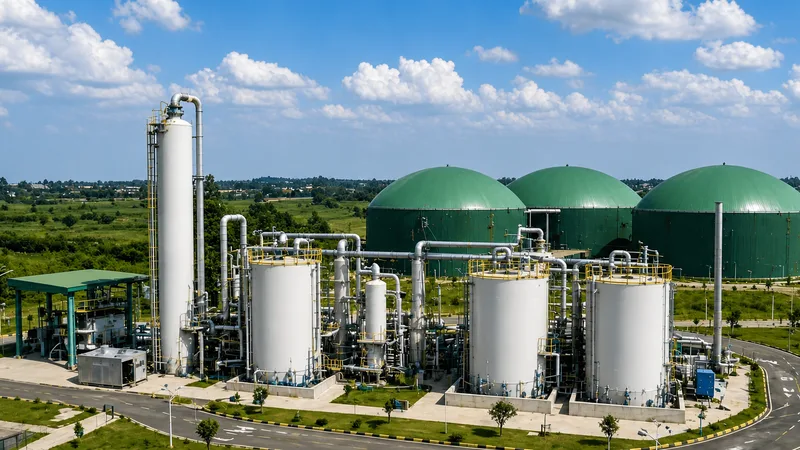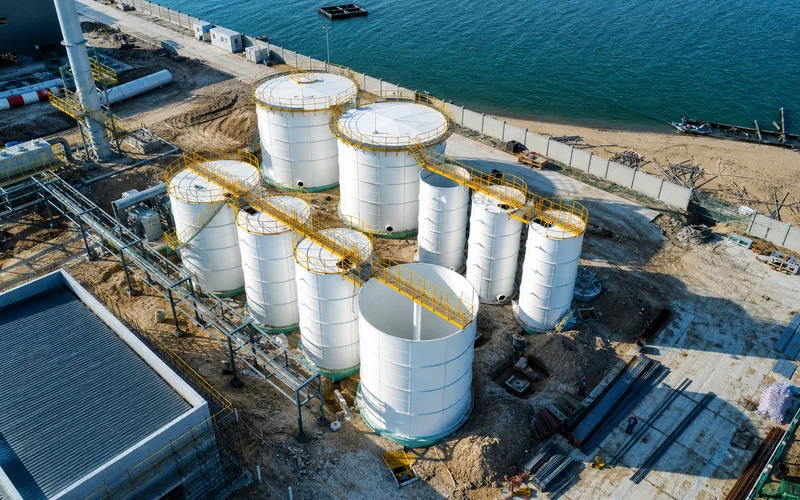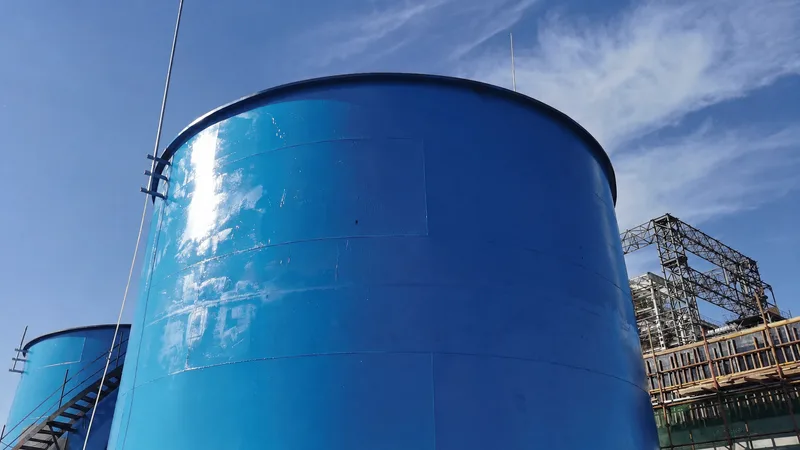
Fuel Oil Storage Is a Product-Handling System
Fuel oil storage tanks can serve standby generation, industrial heating, terminal inventory, marine or logistics support, and compatible process-fuel duties. The tank is not selected by a capacity request alone. The project team should identify the fuel grade or specification, density, viscosity-temperature behaviour, delivery condition, normal and maximum storage temperature, expected residence time, permitted water or sediment content, additives, and expected upset conditions. These inputs influence tank geometry, heating, transfer, draining, inspection, and the protection system.
The physical tank also has to be coordinated with pumps, piping, strainers or filtration where applicable, level measurement, high-level protection, vents, overflows, drainage, access, grounding or bonding requirements where specified by the project, containment, and the site operating sequence. A supplier can define the tank package and its interfaces, but the owner and responsible engineers must define the fuel-quality, safety, environmental, and local approval requirements for the actual facility.
For an application-led view of terminal and industrial storage, see the petrochemical and oil storage application page. This product page focuses on the equipment and RFQ decisions that make a fuel oil tank proposal technically comparable.
Fuel Oil Tank RFQ Matrix
| Decision area | Information to confirm before design release |
|---|---|
| Stored fuel | Fuel grade or owner specification, density, viscosity, delivery and operating temperature, additives, water and sediment limits, sampling method, expected residence time, and cleaning or changeover requirements. |
| Tank duty | Gross and usable volume, number of tanks, turnover, normal and alarm levels, fill and withdrawal rates, standby requirement, future expansion, and whether service is atmospheric or has a separately defined pressure or vacuum duty. |
| Thermal and transfer interfaces | Need for heating, insulation, recirculation, pump conditions, inlet energy, suction arrangement, drainability, pipe loads, filtration or water removal boundary, and the party responsible for controls. |
| Mechanical package | Shell and bottom system, roof, vents, nozzles, manways, gauges, overfill devices, ladders, platforms, access, supports, paint or coating, repair method, and inspection plan. |
| Project boundary | Containment, foundation, drainage, site loads, installation, testing, commissioning, documents, local permits, and responsibilities outside the tank package. |
Start With Fuel Condition and Operating Temperature
Fuel oil can behave differently during delivery, normal storage, low-temperature standby, transfer, recirculation, and cleaning. Viscosity, density, pour behaviour, temperature limits, additives, contamination sensitivity, and water separation practices must be set by the owner or process engineer. A general label such as fuel oil does not establish whether heating, insulation, agitation, recirculation, heat tracing, drainable nozzles, or particular maintenance access is required.
The project should state whether the tank receives warm deliveries, must maintain a storage temperature, has a defined heat-up limit, or is expected to stand for long periods. Heating medium, available utility conditions, control philosophy, expansion and safety interfaces, insulation, and the scope of thermal equipment should be defined separately. A tank supplier should not infer these conditions from a photograph or a nominal capacity.
- Issue the owner fuel specification and the normal, startup, standby, and upset temperature envelope.
- Define what equipment removes water or sediment and where that scope begins and ends.
- State whether heating or recirculation is an included tank interface or a separate process package.
Control Water, Sediment, and Low-Point Maintenance
Water entry, condensation, sediment, corrosion products, and residual fuel can affect both fuel quality and maintenance planning. The RFQ should identify bottom configuration, low-point drainage, water draw-off, sampling locations, inspection openings, cleaning route, and the operator procedure for isolated or out-of-service tanks. These details must be coordinated with containment and the destination for recovered water, sludge, or cleaning residue.
Vapor-space, liquid-line, external atmospheric, and under-insulation exposures can differ. The selected shell material, weld treatment, external protection, roof interfaces, gaskets, nozzles, access supports, and field repair method should be reviewed against the documented environment. Use the corrosion protection guide to organize assumptions and records, while keeping final compatibility approval tied to the actual fuel and site conditions.
Set the Tank and Site Interfaces Before Procurement
Tank access, vents, overflow, level instruments, inlet and outlet lines, supports, ladders, platforms, roof attachments, electrical and bonding interfaces, containment, and drainage all interact with the civil and operating plan. The responsible parties should identify design loads, foundation limits, pipe reactions, lifting restrictions, site access, weather exposure, safety procedures, and who provides components outside the stated tank package.
A proposal should clearly separate the tank shell and listed accessories from pumps, transfer skids, filters, power, controls, foundations, bunds, pipework, installation, testing, commissioning, and plant performance obligations unless they are expressly included. This makes scope differences visible and avoids treating a storage vessel quotation as a complete fuel facility.
Use the RFQ data checklist to bring process, mechanical, site, inspection, and document inputs into one controlled enquiry before bids are compared.
Make Inspection and Handover Records Usable
The contract should identify the design basis, drawings, material records where included, protection system, inspection and test plan, transport and handling requirements, repair procedure, installation boundary, and final documentation. Inspection effort should match the selected tank construction and project risk. A generic manufacturer statement is not a substitute for project-specific acceptance criteria, witness points, and record requirements.
At handover, the owner should be able to identify the supplied configuration, approved changes, accessories, operation limits, maintenance information, and open items. Those records create a baseline for the owner integrity and operating program; they do not transfer the facility safety, environmental, or regulatory obligations to the tank supplier.
Data to Include in the RFQ
A strong fuel oil tank RFQ ties the actual fuel condition and operating sequence to thermal, transfer, drainage, containment, structural, inspection, and handover responsibilities.
- Fuel specification, density, viscosity, temperature range, additives, water and sediment limits, sampling requirements, expected residence time, and cleaning or changeover conditions.
- Gross and usable capacity, normal and alarm levels, fill and withdrawal rate, turnover, standby requirement, future expansion, and pressure or vacuum conditions where applicable.
- Heating, insulation, recirculation, utility conditions, pump and pipe interfaces, inlet and outlet arrangement, drainage, water draw-off, filtration or separation scope, and controls responsibility.
- Tank configuration, roof, vents, manways, nozzles, level and overfill protection, access, supports, protection system, repair method, inspection plan, and documentation.
- Project location, design loads, foundation and containment boundary, site drainage, installation and testing scope, local approvals, commissioning, manuals, spare parts, and final acceptance records.