
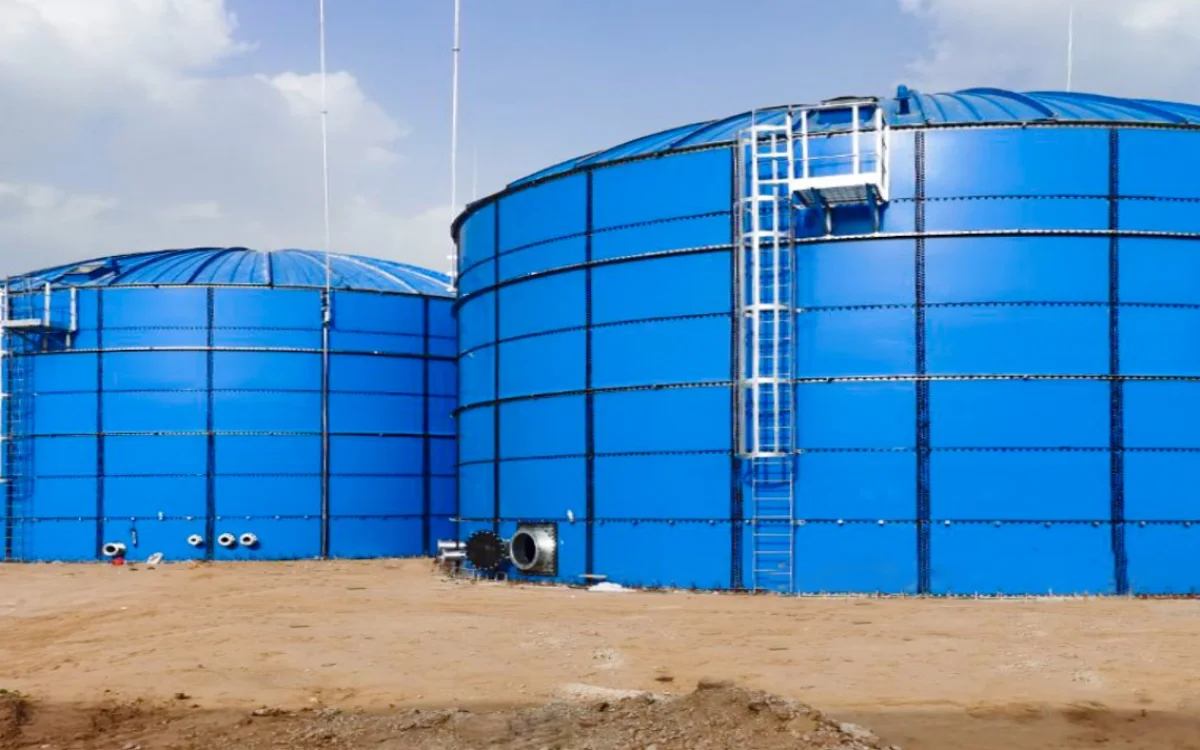
Island drinking water projects need careful storage tank review because potable water quality, coastal exposure, shipping logistics, and installation access all affect the final system. A tank that works in a mild inland site may need additional review when it is installed in a marine or tropical environment.
This Barbados reference should be read with the drinking water storage application page and the epoxy coated tanks product page. The buyer should focus on potable water compatibility and long-term maintainability, not only capacity.
Potable Water and Marine Exposure
For drinking water service, internal coating, sealants, roof details, vents, overflow screens, drains, and access hatches should be reviewed against the owner specification and local approval route. If NSF/ANSI 61 or another potable water approval is required, the requirement should be stated in the RFQ before suppliers prepare commercial offers.
In a coastal or island environment, external corrosion risk and logistics also matter. Salt-laden air, humidity, UV exposure, limited storage space, and container delivery constraints can affect packing, coating selection, installation planning, and spare part requirements.
Engineering Review Points
The tank package should define roof type, vents, manways, ladders, platforms, inlet and outlet nozzles, overflow, drain, level monitoring, and disinfection interface. If the tank is part of a municipal or resort water system, maintenance access and inspection safety should be included in the quotation instead of treated as optional extras.
Buyers should request coating records, panel inspection documents, packing lists, installation drawings, and any potable water documentation needed for project handover. The certifications page can help identify which documents should be requested during supplier qualification.
RFQ Takeaway
A clear RFQ should include tank volume, water service, required approvals, site location, marine exposure, roof and vent details, nozzle schedule, foundation condition, delivery constraints, and installation support. These details help avoid under-scoped quotations and support a more reliable project comparison.
Engineering Limits and Handover
Potable water tank procurement should separate product compliance from project approval. A supplier may provide coating or material documents, but the final acceptance route can still depend on local health authorities, owner specifications, and project consultants. Buyers should confirm which documents are needed before comparing price.
For island projects, packing and spare parts deserve additional attention. Replacement bolts, sealants, coating repair material, and clearly labeled accessories can prevent long delays when the project site is far from the supplier factory. The handover package should include inspection records, installation drawings, nozzle schedule, and maintenance guidance for vents, hatches, ladders, and roof seals.
Buyer Questions Before Quotation
Before requesting price, buyers should clarify whether the tank must connect to an existing pipe network, a new pump station, or a future distribution expansion. They should also state if chlorination, disinfection, sampling points, or level telemetry will be installed by others. These interfaces affect nozzle locations, access platforms, and commissioning sequence.