Home›Projects›Colombia Potable Water Storage Tank Project Reference
Colombia Potable Water Tank Project
Review a Colombia potable water storage tank project reference: water-contact material review, corrosion protection, roof/accessories, inspection, and RFQ data.
Potable water storage projects need water-contact material review, clean access planning, corrosion protection, and reliable installation documentation.
Drinking water tanks require a stricter material and hygiene review
A potable water tank project is not evaluated only by storage volume. The buyer also has to confirm whether water-contact materials, coatings, gaskets, sealants, vents, overflow points, access hatches, and installation procedures are appropriate for drinking water service. Local authority requirements can be as important as the tank manufacturer’s standard design.
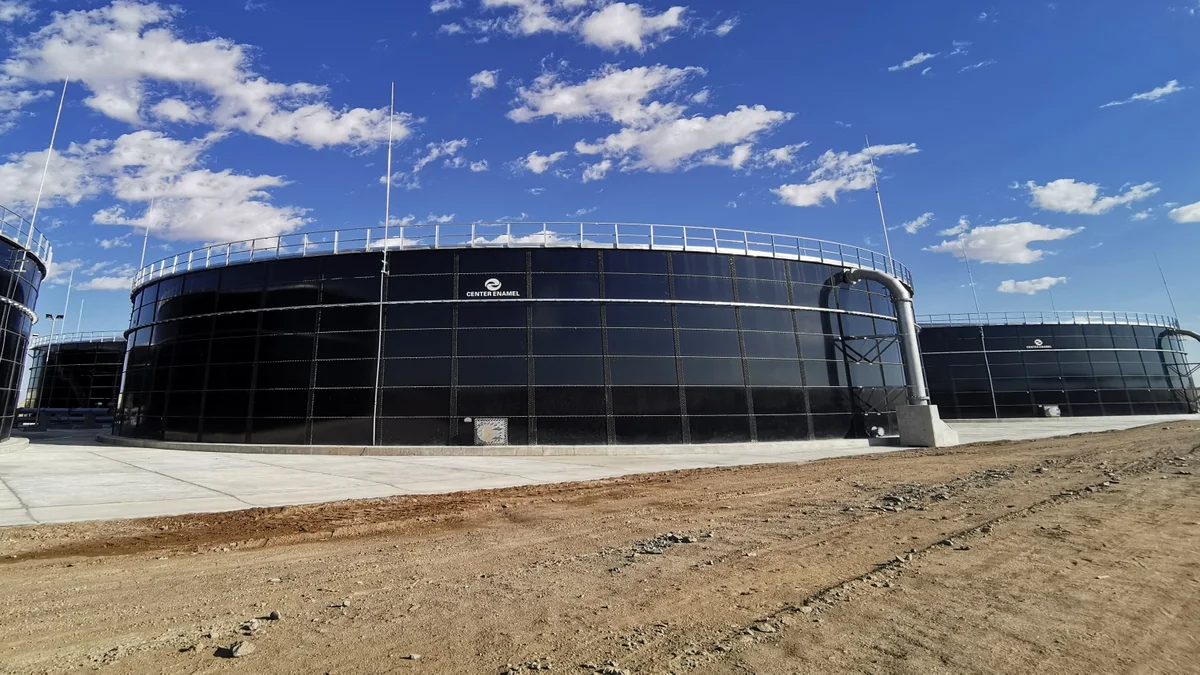
This Colombia project reference is useful for buyers comparing drinking water storage options in municipal, rural, industrial park, and infrastructure applications. The source project described a 1,189 m3 potable water storage case; the broader buyer lesson is how to connect capacity, water quality requirements, corrosion protection, roof/accessory design, and documentation.
Industrial Tank Manufacturer uses references like this to guide RFQ preparation for glass-fused-to-steel tanks, epoxy coated tanks, stainless steel tanks, and bolted steel storage systems used in clean water projects.
Potable Water Tank Review Checklist
Review Item
Buyer Guidance
Water-contact material acceptance
Confirm local drinking water requirements, coating approval route, gasket and sealant suitability, and whether NSF/ANSI/CAN 61 or an equivalent requirement applies.
Closed roofs, screened vents, hatches, ladders, platforms, and overflow protection help reduce contamination risk.
Corrosion protection
Review tank coating or material, external environment, foundation moisture, fasteners, and long-term inspection plan.
Installation and hygiene control
Site handling, cleaning, disinfection, hydrotest, and commissioning responsibilities should be documented.
Documentation for owner approval
Request drawings, material records, coating data, installation guide, inspection records, and any required compliance documents.
Why potable water RFQs need more than capacity
A buyer may start with a simple target such as 1,000 m3 or 5,000 m3 of water storage, but potable water service requires additional information. Water-contact materials, roof details, vents, inlet/outlet arrangement, drain location, access hatches, and cleaning procedures can all affect owner approval and long-term operation.
For municipal and infrastructure projects, the RFQ should identify the approval authority, required design standard, expected water quality, disinfection process, foundation scope, and whether the tank supplier must provide installation supervision. This helps avoid quotations that look similar in price but differ greatly in compliance risk.
Tank type selection for drinking water
Glass-fused-to-steel tanks are often considered for drinking water because the factory-applied glass lining can offer corrosion resistance and a smooth internal surface when the system is designed and installed correctly. Epoxy coated tanks, stainless steel tanks, and welded steel tanks may also be appropriate depending on project standard, capacity, water chemistry, site access, and budget.
Buyers should review GFS tanks, epoxy tanks, and corrosion protection before selecting a tank type. The final decision should be based on water-contact approval, design life, inspection method, and supplier documentation.
Project execution details that protect water quality
Clean water storage is vulnerable to small execution gaps: open vents, poorly protected hatches, damaged coating, dirty installation practices, incomplete disinfection, or unclear drainage. The installation guide and commissioning procedure should identify how the tank will be cleaned, tested, disinfected, and handed over to the owner.
The buyer should also confirm whether accessories such as level instruments, overflow pipes, sample points, ladders, platforms, and safety rails are included in the tank package or supplied by others. Missing accessories often create field changes that delay commissioning.
Standards and Reference Notes
For drinking water regulatory context, buyers can review EPA drinking water regulations at EPA drinking water regulations. Local authority requirements should always be confirmed for the project country.
AWWA publishes standards used by many water utilities. The official standards overview is available from the AWWA standards overview.
Next RFQ Steps
For potable water tank inquiries, provide capacity, water-contact approval requirement, project country, design standard, inlet/outlet details, roof/accessory scope, and installation responsibility.