Home›Projects›Kuwait Municipal Sewage Storage Project Reference
Kuwait Municipal Sewage Storage Project Reference
Project reference for a municipal sewage storage tank arrangement in Kuwait, highlighting scope-definition, wastewater duty, access, site interfaces, inspection, and RFQ lessons.
This project reference illustrates the coordination required between wastewater duty, tank configuration, access, site work, inspection, and the completed system boundary.
A Municipal Sewage Tank Is One Part of the Treatment System
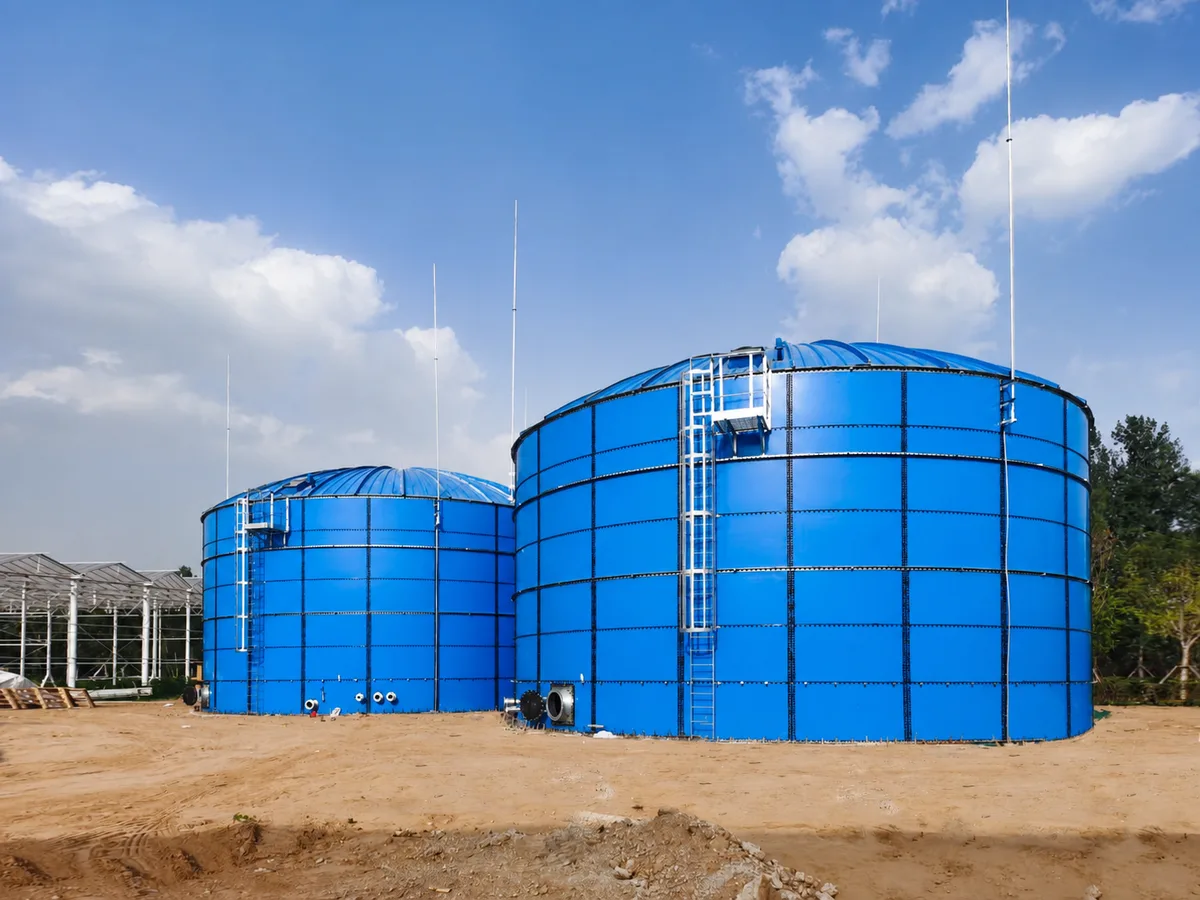
This Kuwait municipal sewage storage project reference is used to illustrate the engineering and procurement questions behind a wastewater tank package. Publicly available reference material identifies a municipal sewage-storage application and a bolted steel tank arrangement, but it does not provide a complete owner-issued design basis, capacity, approval record, operating performance data, or full supply boundary. Accordingly, this page does not claim a verified capacity, treatment result, commissioning outcome, or site-wide compliance conclusion.
The useful lesson is practical: wastewater duty, tank configuration, roof and access, connections, drainage, foundation, quality records, installation, and handover must be coordinated before the tank is treated as a complete solution. Buyers planning a similar duty should start with the wastewater treatment application page and issue project-specific liquid, site, quality, and acceptance data rather than copying an image or country reference into an RFQ.
Project Reference Review Points
Review point
How to use this reference responsibly
Application context
Treat the reference as an example of municipal sewage storage coordination, not as a transferable process design, capacity guarantee, or approval claim for another site.
Tank package
Confirm actual liquid condition, required usable volume, operating levels, roof and vent concept, access, drains, nozzles, instruments, and materials or protection basis for the new project.
Site interfaces
Define foundation, drainage, containment, pipework, pumps, electrical work, controls, installation access, lifting, construction sequence, and work-by-others boundaries.
Evidence and acceptance
Set owner requirements for drawings, inspection, tests, quality records, installation checks, operating data, commissioning interfaces, and final acceptance.
Use the Case as a Coordination Reference
Project images can show the scale and physical arrangement of tank construction, but they do not reveal the full process, civil, electrical, operating, or regulatory design. A buyer should therefore use this reference to ask better questions rather than to copy a configuration. Establish the incoming wastewater description, expected variation, temperature, solids, chemical additions, gases, cleaning, upset conditions, required detention or equalization function, and the operating sequence between upstream and downstream treatment equipment.
The tank boundary should be explicit. State whether the supply includes roof, vents, hatches, ladders, platforms, nozzles, drains, instruments, internal components, coating or material system, support steelwork, and assembly support. Then identify what remains with civil, pipework, mechanical, electrical, controls, installation, and commissioning parties. This makes bids comparable and protects the project from unassigned interfaces.
Define Wastewater Duty Before Selecting Materials
Municipal sewage can vary significantly with collection system, infiltration, industrial contribution, wet-weather events, treatment stage, chemical dosing, sludge carryover, and operating disruptions. The stored liquid at the tank inlet must be described with representative data and expected extremes. The owner and responsible engineer should determine the required material or protection basis, roof and vent arrangement, safety measures, and maintenance approach from those conditions and the adopted project requirements.
A project reference cannot prove that one tank construction or coating is suitable for every sewage duty. Use the epoxy coated tanks page to frame product questions, then document the new project liquid data, external exposure, inspection method, repair strategy, and acceptance evidence. The final selection should follow the approved engineering basis rather than similarities in tank colour or country.
Plan Site Work and Installation as Part of Scope
Bolted or site-assembled tank work depends on foundation readiness, access routes, lifting and laydown space, weather, drainage, nearby operations, construction sequencing, utilities, safety controls, and availability of qualified installation resources. These conditions need to be captured before delivery. A tank that reaches site without a defined civil, lifting, access, and interface plan can create schedule and quality risks even when the vessel design itself is appropriate.
The RFQ should allocate responsibility for foundation, anchoring review where required, containment, pipework, pumps, cables, instruments, power, control logic, insulation where specified, testing, cleaning, and commissioning. The selected supplier should state the documents, site support, exclusions, and prerequisites on which its proposal depends.
Carry Inspection and Handover Through to Operation
Define the inspections and records needed for the selected construction: incoming material checks where required, dimensional checks, bolted-joint or weld verification as applicable, coating records, nozzle and accessory checks, water or leak tests where specified, access and drainage checks, preservation, and final documents. The requirement should be aligned with the project contract and authority route rather than inferred from a reference image.
For a comparable new enquiry, use the industrial tank RFQ data checklist to capture wastewater, tank, site, quality, documentation, and handover information. This preserves the value of the project reference while keeping new procurement decisions rooted in the actual duty and approved responsibilities.
Data to Include in the RFQ
Use this project reference to structure a municipal sewage tank RFQ around the actual wastewater duty, tank scope, site interfaces, inspection evidence, installation, and acceptance responsibilities.
Representative wastewater data, treatment stage, expected variation and upset conditions, temperature, solids, chemical additions, gases, cleaning, required operating function, hydraulic profile, and owner-approved design basis.
Usable and gross volume, operating levels, roof and vent concept, access, hatches, ladders, platforms, nozzles, drains, instruments, internal components, material or protection system, and inspection access.
Foundation, containment, drainage, anchoring review where required, access road, lifting, laydown, construction sequence, pipework, pumps, electrical, controls, installation, testing, commissioning, and work-by-others boundaries.
Drawings, inspection and testing plan, quality records, installation prerequisites, preservation, manuals, training or operating-information boundary, final acceptance route, and stated exclusions.