Lubricating Oil Storage Is an Operating System
Lubricating oil storage can support manufacturing plants, mining equipment fleets, power facilities, maintenance workshops, terminals, and other operations that receive, hold, transfer, sample, filter, or dispense defined oils. The tank does not establish oil cleanliness on its own. A useful enquiry states the lubricant family, viscosity grade or range, additives, expected delivery condition, water and particle-control objective, operating temperature, receipt and withdrawal rates, storage duration, sampling method, filtration boundary, and the actions taken during a product change, cleaning event, or upset.
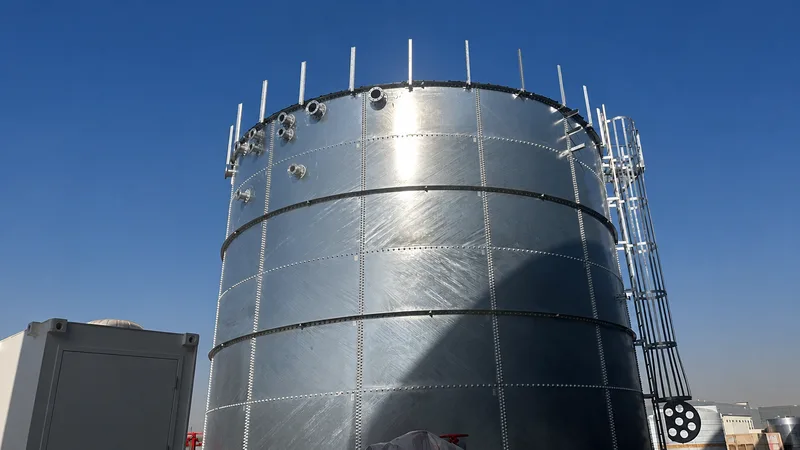
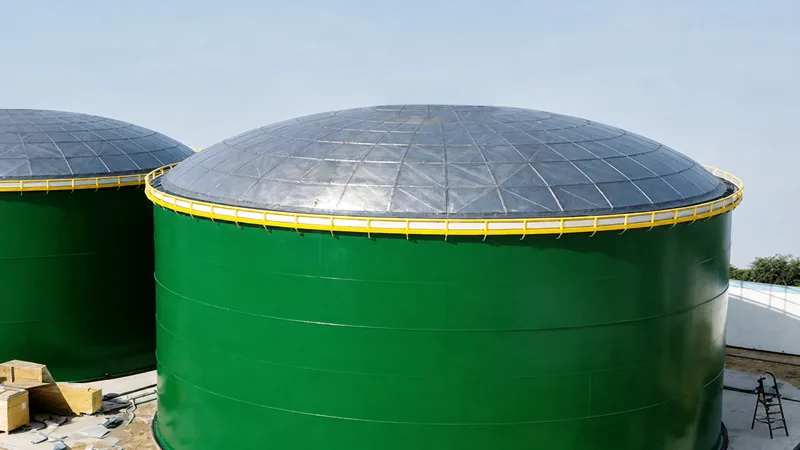
The storage arrangement should keep the buyer from treating a nominal tank volume as a complete lube-oil system. Roof, vent, fill connection, drain point, sample point, access, level indication, transfer interface, bunding, and maintenance access must be coordinated with the operating plan. For related liquid-storage context, see the petrochemical and oil storage application page. Final compatibility, environmental controls, and locally applicable requirements remain matters for the owner and responsible engineering team.
Lubricating Oil Tank RFQ Matrix
| Decision area | Information needed for a comparable tank proposal |
|---|---|
| Oil duty | Product identification, viscosity range, additive package, temperature, receipt condition, contamination limits, water-management expectation, turnover, sampling, filtration, and product-change procedure. |
| Tank operation | Gross and usable volume, normal and low operating levels, delivery and dispensing rates, fill and withdrawal sequence, nozzles, drain and sample points, vents, roof, access, and instruments. |
| Protection and interfaces | External exposure, containment concept, foundation and drainage interface, material or coating basis, pipework and filtration boundary, electrical and controls boundary, and site constraints. |
| Handover | Fabrication documents, inspection and testing scope, preservation, transport, installation boundary, operating information, maintenance records, and exclusions. |
Start With the Oil, Not the Tank Label
Lubricating oils are selected for a defined machine duty, and the storage system needs the same level of definition. The enquiry should identify whether the tank holds new oil, reclaimed oil, a blend, a reserve grade, or a dedicated service fluid. It should state expected temperature, delivery condition, residence time, tank turnover, minimum inventory, likely water ingress routes, and whether the system will filter before receipt, during recirculation, or at dispense. Those details influence the practical design of low points, drains, sampling ports, access, and connections.
A buyer should not assume that a steel tank, coating, gasket, vent, instrument, or cleaning method is universally suitable for every lubricant. Compatibility and performance depend on the documented liquid, additives, temperature, external environment, operating sequence, and maintenance method. The supplier can identify the basis used for its scope; the responsible project team must approve the final storage duty and any site-specific compliance route.
Control Water, Sediment, and Cross-Contamination
Water and particulate contamination can enter through delivery, venting, poor seals, maintenance activity, tank breathing, damaged accessories, cleaning, or transfer connections. The owner should define the intended management approach before a tank is ordered: protected fill and vent arrangements, water draw-off location, sampling access, filtration and transfer boundary, isolation, tank cleaning method, and the decision process when a sample fails the owner requirement. A tank quote cannot substitute for those operating controls.
The layout should make inspection and housekeeping possible without improvisation. Define whether the tank needs a roof, access hatch, ladder or platform, internal access, drain route, containment, lighting, local instruments, and clearance for filters or transfer equipment. The corrosion protection guide can help organize the external exposure and protection review, while oil compatibility should be confirmed against the final fluid data rather than a generic product description.
Set the Transfer and Inventory Boundaries
Tank capacity is only useful when it supports the actual receipt and issue pattern. The RFQ should distinguish gross volume from usable inventory and identify normal, high, and low operating levels; delivery rate; dispensing or pump demand; minimum operating reserve; isolation points; overflow or abnormal-level response; and whether more than one grade can be present on site. Those questions influence nozzle arrangement, instrumentation, freeboard, access, and the boundary between the tank package and the site piping or controls.
A clear battery-limit drawing prevents gaps between tank supply, foundation, containment, pipework, pumps, filtration, electrical work, controls, commissioning, and operations. It should show installation access, lifting, drainage, nearby equipment, service clearances, and future expansion. The industrial tank RFQ data checklist provides a practical format for collecting these shared inputs before technical and commercial comparison.
Compare Scope, Evidence, and Maintainability
Before award, compare usable volume, oil assumptions, roof and vent scope, access equipment, nozzle and drain arrangement, instruments, material or coating assumptions, containment interface, inspection, preservation, transport, documents, and exclusions. A lower-priced tank may omit work needed to receive, sample, protect, inspect, clean, or hand over the storage system. Each bidder should identify assumptions and deviations against the same owner-issued duty.
The final specification should also identify inspection records, test scope, coating or material traceability where applicable, preservation, manuals, maintenance information, and the responsibility for final installation and acceptance. This makes the tank a defined part of the site oil-management system rather than an isolated piece of fabricated equipment.
Data to Include in the RFQ
A lubricating oil storage RFQ should define the oil condition, contamination-control objective, operating inventory, transfer sequence, maintenance access, site interfaces, and handover scope together.
- Oil identification, viscosity or grade range, additive package, representative condition, temperature, water and particle-control objective, delivery route, turnover, sampling, filtration, cleaning, and product-change procedure.
- Gross and usable volume, normal and low levels, receipt and withdrawal rates, roof, vents, fill points, drains, sample points, nozzles, instruments, access, and abnormal-level response.
- External exposure, material or coating basis, containment and drainage interface, foundation, pipework and filtration battery limits, electrical and controls boundaries, site access, and installation constraints.
- Inspection and tests, drawings, quality records, preservation, transport, installation, commissioning boundary, manuals, maintenance data, final acceptance, and stated exclusions.