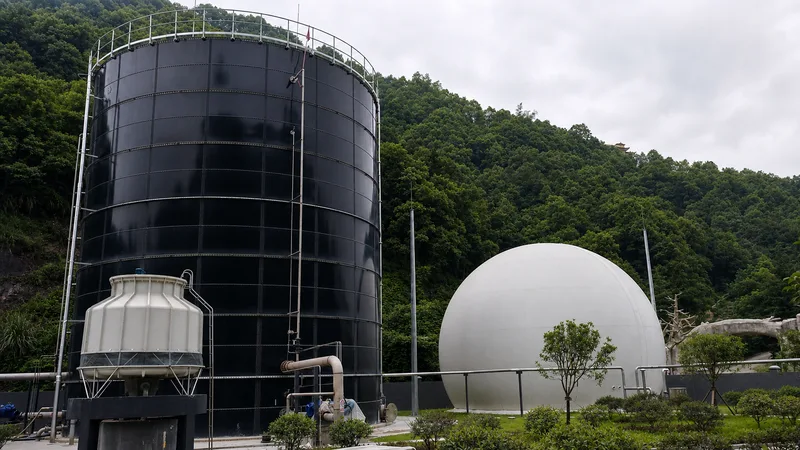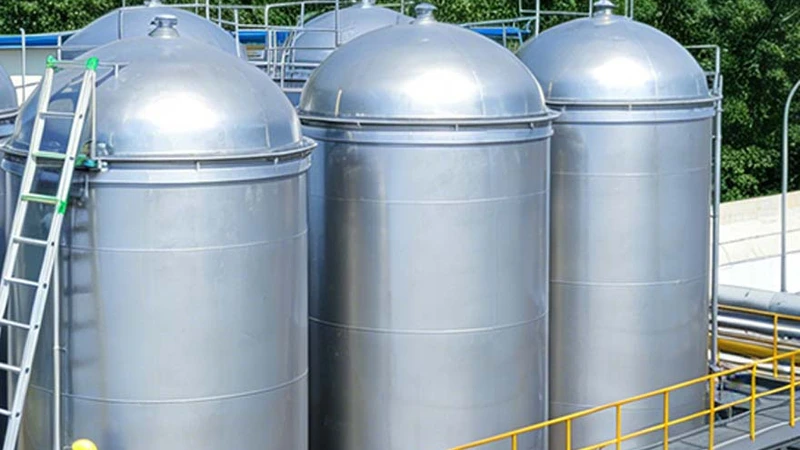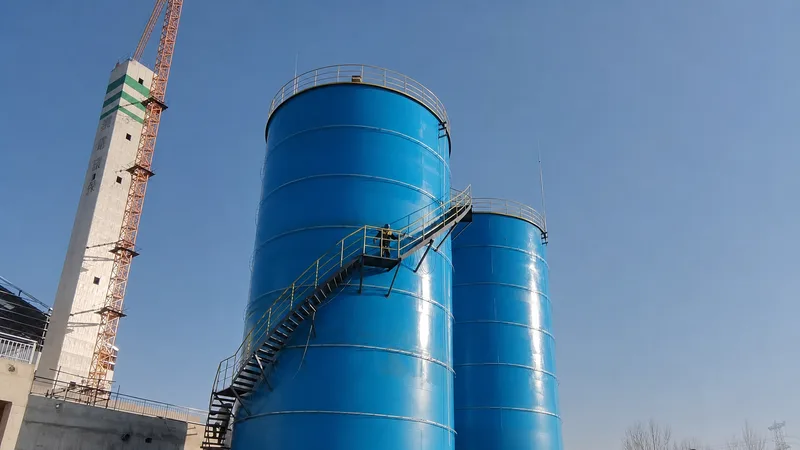
An Underground Tank Is Part of a Fuel System
Underground fuel storage tanks are considered where a project needs to protect inventory from weather, manage a constrained plot, or locate fuel storage beneath a defined finished grade. The tank itself is only one part of the duty. The buyer needs to define the actual fuel or blend, storage temperature, quantity, delivery and withdrawal rates, normal and alarm levels, expected residence time, water-management method, and whether the installation is new, replacement, or a retrofit within an operating facility. These inputs shape the tank construction, containment arrangement, access points, vents, instrumentation, protection system, installation method, and records required for handover.
Fuel labels alone do not establish a complete design basis. The owner and responsible project engineers should define compatibility, process safety, environmental duties, and the approvals applicable to the location. For wider liquid-storage context, see the petrochemical and oil storage application page. This page helps a buyer turn that project basis into a comparable tank enquiry rather than treating an underground tank as a stand-alone commodity.
Underground Fuel Storage RFQ Matrix
| Decision area | Information required before design release |
|---|---|
| Fuel duty | Fuel specification or blend range, density, temperature, additives, water tolerance, contaminants, expected storage period, turnover, and cleaning or product-change conditions. |
| Containment concept | Single or secondary containment requirement where specified, monitoring objective, interstitial or external protection arrangement, leak-response procedure, and authority or owner acceptance basis. |
| Tank interfaces | Gross and usable volume, fill and withdrawal, normal and alarm levels, vents, overfill interface, nozzles, manways, pumps, gauges, sampling, drains, access, and electrical boundary. |
| Site and delivery | Burial depth or grade relationship, soil and groundwater information, traffic and external loads, uplift or flotation review, excavation, foundation or bedding, installation, testing, documents, and exclusions. |
Define the Fuel and Operating Sequence
The stored material should be identified by the owner specification, not only by a general term such as diesel, gasoline, aviation fuel, or oil. Blends, additives, water content, sediment, temperature, storage time, delivery method, transfer rate, and changeover practice may alter the required material review and operating arrangements. The RFQ should state normal, maximum, minimum, shutdown, and abnormal conditions so that bidders do not make different assumptions about pressure, vacuum, vapor management, temperature, or maintenance exposure.
A useful flow description shows how product enters, where it is withdrawn, whether it is recirculated or filtered, how samples are taken, where water or sediment is removed, and what happens during delivery, high level, loss of power, maintenance, or product change. Pumps, pipework, dispensers, filtration, controls, electrical work, and civil works should be assigned explicitly. A tank quotation does not automatically include a complete fuel-handling facility.
Treat Containment and Monitoring as a Defined Scope
Secondary containment, leak monitoring, alarms, isolation, and response procedures must be selected against the approved project and local requirement. The enquiry should state whether the buyer requires a particular containment arrangement, which space or boundary is monitored, which party supplies sensors and control panels, what alarms are required, and how a suspected release is investigated. It is not technically sound to imply that a general product description satisfies every jurisdiction or site condition.
Protection also has to be reviewed for the entire installed system: tank shell, closures, nozzles, fittings, penetrations, joints, external exposure, bedding or support interface, connections to pipework, and any field repair route. The corrosion protection guide can help organize those questions. Final material and protection selection should remain tied to the documented fuel, soil, water, external exposure, and owner-approved maintenance plan.
Plan Access, Venting, and Water Management
An underground installation still needs safe and maintainable access to manways, fill points, vents, sampling points, instruments, valves, drains, and monitoring equipment. The design package should identify traffic separation, working clearances, access covers, lifting limits, service vehicle access, confined-space arrangements where applicable, drainage around chambers, and the route for any recovered fuel, water, or cleaning liquid. Access should be evaluated for the installed condition, not only during construction.
Vents, overflow interfaces, level measurement, high-level alarms, water draw-off, and emergency isolation belong to the operational design. The project team should define their function, location, test method, maintenance responsibility, and boundary to the fuel-transfer system. Where grounding, bonding, electrical classification, or control measures are required, the responsible engineer should identify them in the approved facility design rather than infer them from the tank type.
Review Civil, Groundwater, and Installation Interfaces
The supplier needs reliable site data before the installation approach can be compared. Relevant inputs can include plot geometry, finished level, excavation limits, soil condition, groundwater, flood exposure, buried services, traffic loads, thermal conditions, seismic or settlement inputs where applicable, access routes, lifting space, and restrictions on work near operating assets. These inputs influence excavation sequencing, support or bedding, anchoring or flotation review, preservation, testing, and reinstatement work.
The scope matrix should separate tank supply from geotechnical work, excavation, shoring, dewatering, foundation or bedding, pipework, electrical work, controls, backfill, paving, commissioning, and authority inspection. Bids are easier to compare when each party states inclusions and exclusions against the same site basis. The tank can then be engineered as a component of a buildable installation rather than a disconnected equipment package.
Compare Proposals by Duty Rather Than Nominal Capacity
Before award, compare usable capacity, tank construction, fuel and protection assumptions, containment and monitoring scope, access, vents, instruments, delivery boundary, installation method, inspection, test requirements, documents, spares, and exclusions. A low-cost bid may omit the accessories or interface work needed to receive fuel, remove water, monitor conditions, or maintain the installation. The comparison record should make every departure from the RFQ visible.
Use the industrial tank RFQ data checklist to issue process, mechanical, civil, electrical, site, inspection, and document inputs in one controlled enquiry. The final proposal should state the information it relies on and identify items requiring confirmation by the owner, engineer, regulator, or installer before fabrication and site work begin.
Data to Include in the RFQ
A clear underground fuel storage RFQ connects the documented fuel and operating sequence to containment, access, monitoring, civil interfaces, installation, testing, and handover.
- Fuel specification or blend range, density, temperature, additives, water and sediment limits, expected residence time, turnover, transfer sequence, cleaning, product-change, and upset conditions.
- Gross and usable volume, normal and alarm levels, fill and withdrawal rates, vents, overflow, manways, nozzles, pumps, sampling, water draw-off, instruments, access, and control boundary.
- Required containment and monitoring concept, material and external protection basis, alarm and response interfaces, soil and groundwater data, burial or grade relationship, external loads, and local approval requirements.
- Excavation, support or bedding, flotation or anchoring review where required, delivery access, installation, inspection and tests, documents, commissioning, maintenance information, and final acceptance responsibilities.