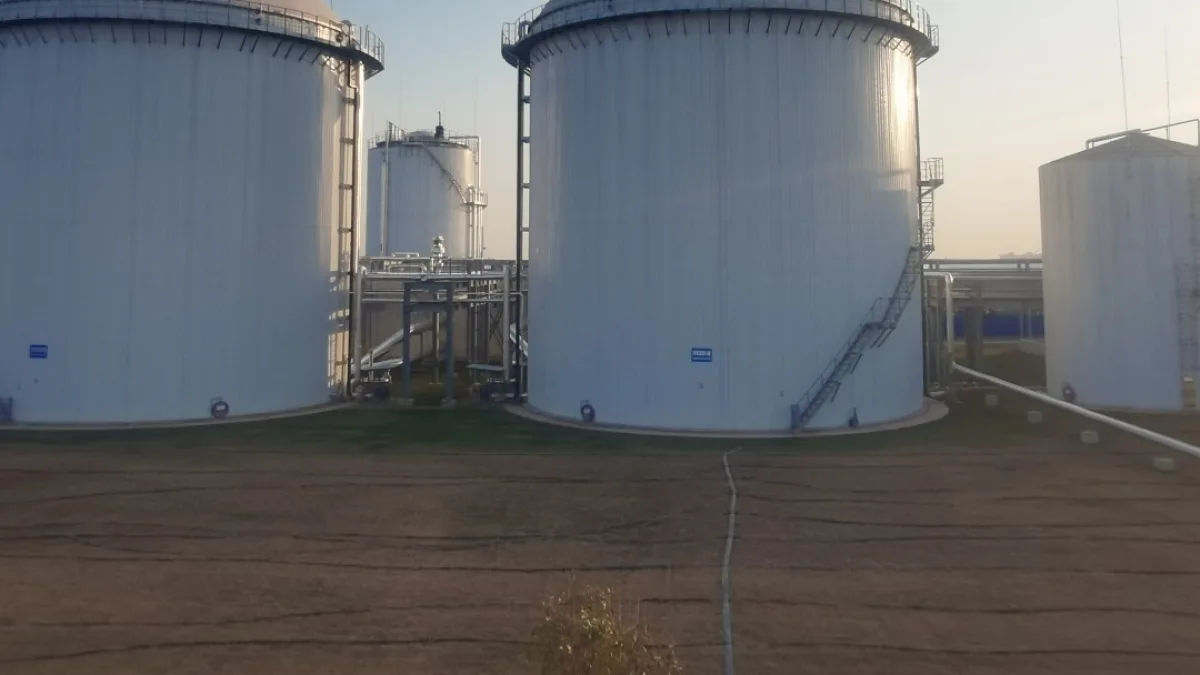
Project case guide for renewable biogas generation with double membrane gas holder scope, pressure control, gas utilization, safety interface, and RFQ data.
Renewable biogas generation double membrane holder project for gas storage and utilization.
Renewable biogas generation projects should connect gas storage to engines, boilers, upgrading, flare, and safety-control interfaces.
Project case guide for renewable biogas generation with double membrane gas holder scope, pressure control, gas utilization, safety interface, and RFQ data. Use the case to identify comparable operating conditions and RFQ inputs; final design remains project-specific.
The first technical review should confirm renewable gas buffering, double membrane working volume, outer membrane air fan, inner membrane gas pressure, methane utilization rate, CHP engine synchronization. Record preliminary assumptions separately from confirmed project data so suppliers quote the same scope.
renewable gas buffering, double membrane working volume, outer membrane air fan, inner membrane gas pressure, methane utilization rate, CHP engine synchronization, gas upgrading skid feed, flare bypass line, H2S desulfurization vessel, moisture knockout pot, pressure transmitter alarm, gas safety shutoff, membrane UV exposure, storm anchoring calculation, biogas flow meter, renewable electricity dispatch, maintenance blower redundancy, emergency vent philosophy.
Quotation boundary
Confirm included scope, excluded scope, local responsibility, inspection points, and acceptance criteria for this exact duty.
What This Project Reference Demonstrates
A comparable project review should begin with renewable gas buffering, double membrane working volume, outer membrane air fan, inner membrane gas pressure, methane utilization rate, CHP engine synchronization. These values establish the design and procurement basis for this specific topic.
If one quotation ignores gas upgrading skid feed, flare bypass line, H2S desulfurization vessel, moisture knockout pot, it should not be compared directly with a proposal that includes those checks. The difference may be scope, not price.
This case is primarily a gas-buffering and utilization project. It should document gas flow, pressure range, methane content, H2S and moisture control, safety accessories, downstream equipment, and control philosophy so the double membrane holder can be compared as process equipment, not only as a roof.
Site Interfaces, Inspection, and Handover
Interface review should include membrane UV exposure, storm anchoring calculation, biogas flow meter, renewable electricity dispatch, maintenance blower redundancy, emergency vent philosophy. These details affect drawings, accessory supply, packing, installation sequence, and responsibility split between supplier, EPC contractor, and site team.
Inspection should be tied to this duty. Instead of asking for a generic certificate set, request records that prove the supplier controlled the relevant material, coating, weld, membrane, roof, accessory, or assembly step.
Data Needed for a Comparable Project RFQ
The RFQ package should include the documents and values behind renewable gas buffering, double membrane working volume, outer membrane air fan, inner membrane gas pressure, methane utilization rate, CHP engine synchronization, gas upgrading skid feed, flare bypass line, H2S desulfurization vessel, moisture knockout pot, pressure transmitter alarm, gas safety shutoff, membrane UV exposure, storm anchoring calculation, biogas flow meter, renewable electricity dispatch, maintenance blower redundancy, emergency vent philosophy. Missing data should be marked as preliminary so technical review can separate firm design assumptions from budget-stage assumptions.
Keep approved drawings, scope clarifications, inspection records, packing requirements, and installation responsibilities in one project file so technical and commercial reviews use the same assumptions.
Project Comparison Notes
Base supplier comparison on confirmed data for renewable gas buffering, double membrane working volume, outer membrane air fan, inner membrane gas pressure, methane utilization rate, CHP engine synchronization, gas upgrading skid feed, flare bypass line, with uncertainties identified as preliminary assumptions.
Apply the contracted standard, owner specification, and buyer-country approval requirements. International references can support discussion but do not replace local engineering approval.
Next RFQ Step
Send capacity, stored medium, chemistry, temperature, roof requirement, nozzle list, site loads, foundation status, documentation requirement, and installation boundary for technical review.
This page focuses on the interface between variable digester gas production and a renewable-generation load. The double membrane holder is evaluated as a low-pressure buffer: usable gas volume, normal operating pressure, blower or compressor interface, condensate management, overpressure and vacuum protection, hazardous-area requirements, and emergency routing must be coordinated as one package.
A similar RFQ should state the expected minimum, normal, and peak gas flow; gas composition and moisture; required buffer time; downstream engine, boiler, upgrading, or flare demand; site wind data; and the owner control philosophy. Broader comparisons across other feedstocks belong on the biogas project category, not on this individual reference.