
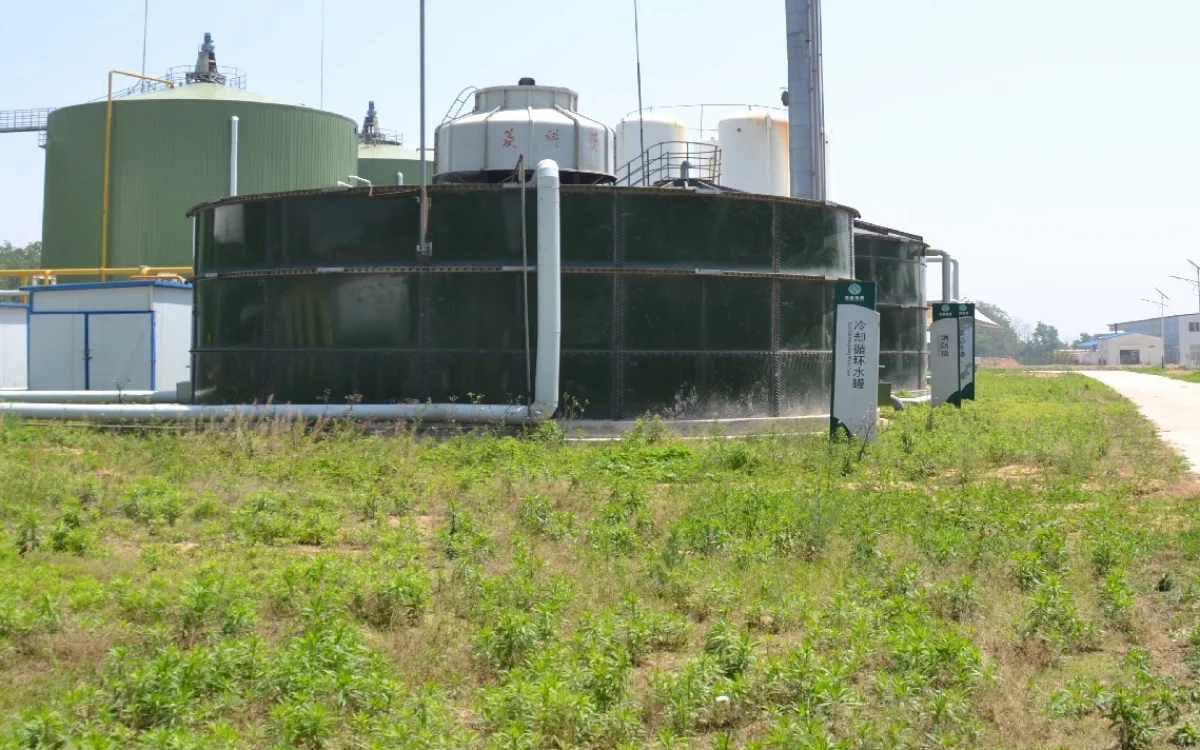
Palm oil mill effluent, commonly referred to as POME, is a high-strength wastewater that can produce significant biogas when anaerobic treatment is designed and operated correctly. The membrane gas holder is used to capture and buffer this gas so it can be safely flared, burned, or converted into power.
For industrial buyers, the key decision is not simply the gas holder size. The project must connect wastewater characteristics, anaerobic process stability, gas quality, pressure control, condensate handling, and local site conditions into one procurement scope.
POME Treatment Review Points
POME can be warm and rich in organic matter, with oil and grease content that affects pretreatment and tank maintenance. The treatment designer should define whether the storage system supports equalization, digestion, covered lagoon gas capture, sludge handling, or treated effluent storage. Each duty has a different tank, roof, and accessory requirement.
Gas-side review should include expected gas flow, methane content, H2S range, condensate volume, pressure requirement, emergency relief, and whether the gas is connected to a flare, boiler, or generator. These inputs directly affect membrane material, gas piping, valve selection, and installation details.
Tank and Roof System Selection
Depending on project design, a POME system may use an anaerobic tank, covered treatment basin, gas holder, desulfurization unit, and power equipment. The buyer should use product pages such as biogas storage tanks and double membrane roofs to clarify which part of the gas-handling system is being purchased.
Where steel tanks are used, coating or enamel selection should be reviewed against wastewater chemistry and gas-space corrosion risk. Accessories such as manways, drains, sludge removal points, level instruments, platforms, and gas nozzles should be included in the quotation package instead of left to site decisions.
RFQ Data to Prepare
A practical RFQ for POME treatment should include effluent flow, COD/BOD range, temperature, oil and grease, pH, tank role, expected gas production, pressure range, H2S data if available, local wind and seismic data, gas utilization method, and installation boundary. If the system is part of a waste-to-energy project, connect the inquiry to waste-to-energy storage so the gas holder is reviewed with energy-use equipment.
Buyers comparing similar references can also review biogas project cases to understand how different organic wastewater duties change the gas storage scope.
Procurement Notes
POME projects often sit in hot and humid environments, so outdoor durability should be reviewed through wind load, UV exposure, rainwater drainage, corrosion risk, and maintenance access. If the system is connected to a generator, stable pressure and condensate management become operational requirements rather than optional accessories.
The buyer should also clarify whether the project scope includes only the holder, a tank with membrane roof, a covered lagoon interface, or a broader gas handling package. Clear scope separation helps compare quotations and prevents omissions in valves, pressure protection, pipe penetrations, anchoring, inspection ports, and commissioning support.