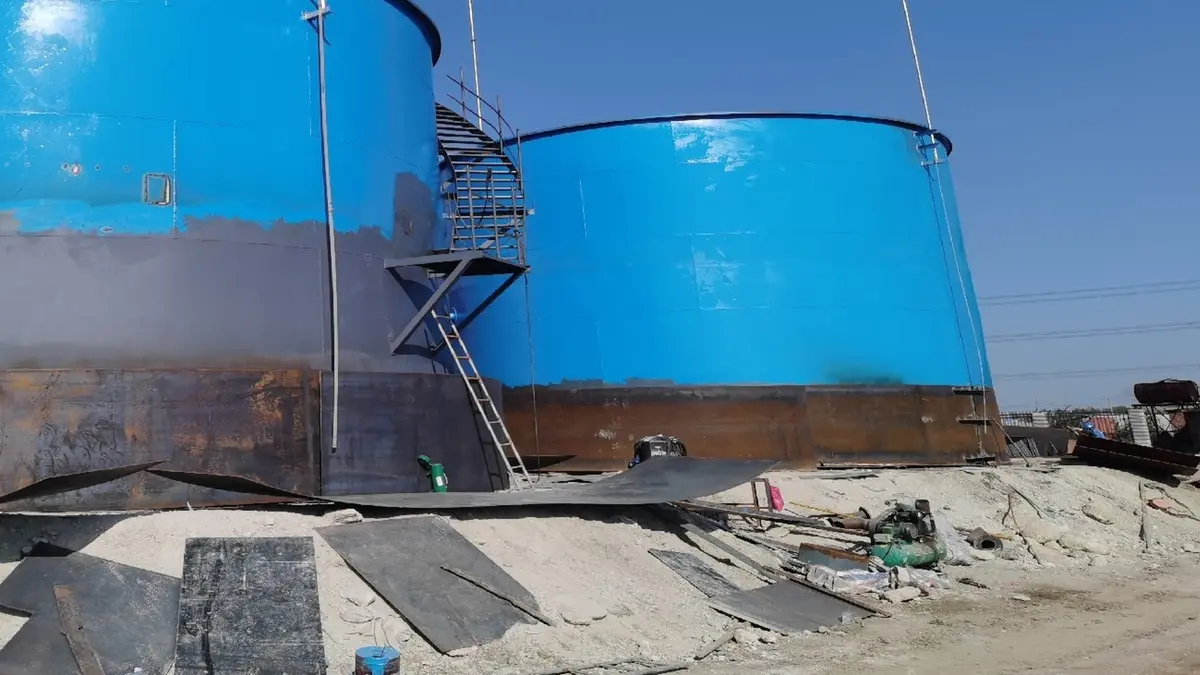
Chemical alkali storage tank guide for sodium hydroxide, material and coating compatibility, containment, process interfaces, and RFQ data.
Chemical alkali tank review should start with concentration, temperature, compatibility, containment, roof or venting, and inspection requirements.
Chemical Alkali Storage Tanks for Industrial Liquid Handling
Chemical alkali storage tanks cannot be specified by capacity alone. A buyer should provide the chemical name, concentration, operating temperature, specific gravity, pH range, cleaning method, and whether the tank sees batch filling, continuous service, or periodic maintenance exposure. These details determine whether carbon steel, stainless steel, coated steel, lined steel, or another engineered route should be reviewed.
Alkaline service such as sodium hydroxide, alkaline wastewater, CIP-related liquid, or process chemical storage can create different risks at the shell, bottom, nozzles, gasket joints, vapor zone, and cleaning interfaces. Tank selection should therefore include material compatibility, coating or lining limits, seal materials, secondary containment, venting, access, and document requirements.
Chemical name, concentration, pH range, temperature, specific gravity, impurities, cleaning chemicals, and whether concentration changes during operation.
Tank route
Carbon steel with lining or coating, stainless steel grade if specified, epoxy coated system, gasket material, fastener compatibility, and corrosion basis.
System scope
Capacity, diameter and height, roof or cover, vents, overflow, drains, nozzles, manways, mixer or recirculation connections, instruments, and sampling points.
Safety and documents
Secondary containment, spill control, grounding if required, inspection records, compatibility basis, drawings, packing, installation guidance, and local approval needs.
Why Chemical Alkali Tanks Need Compatibility Review
A tank that is acceptable for one alkaline liquid may not be acceptable for another concentration, temperature, cleaning method, or impurity profile. Interfaces are often the weak points, so nozzles, gaskets, manways, drains, and vent details should be reviewed as carefully as the shell material.
For broader chemical storage, link the inquiry to the application page first. For product selection, compare carbon steel, stainless steel, GFS, epoxy coated, and custom engineered tank routes only after the service data is clear.
Buyer Review Guidance
Use the specification points above to compare tank options, clarify project requirements, and prepare a more accurate RFQ before discussing final pricing.
For a quotation, confirm the stored media, required capacity, project location, design or document requirements, roof and accessory scope, inspection needs, and installation responsibility.
Procurement Scope and Handover Notes
Chemical Alkali Storage Tanks for Industrial Liquid Handling should be reviewed as part of a complete storage system. Before final pricing, the buyer should confirm whether the supplier scope includes engineering drawings, material or coating records, roof and accessory supply, packing protection, installation documents, and commissioning support.
For international RFQs, the same tank volume can lead to different quotations if site loads, corrosion data, inspection requirements, approval standards, or installation responsibility are missing. A stronger inquiry clearly separates confirmed data from assumptions so the supplier can respond with a comparable technical proposal.
Next RFQ Steps
Send chemical name, concentration, temperature, specific gravity, capacity, tank dimensions, material or coating preference, nozzles, roof/venting, containment, inspection scope, and project country.
Treat alkali concentration and upset chemistry as design inputs
An alkali service description must be more precise than a product name or a pH value. The buyer should provide the chemical identity, normal and maximum concentration, temperature range, impurities, solids, chlorides where relevant, dilution method, batch or continuous operation, cleaning agents, expected upset conditions, and whether the tank will be emptied, flushed, or left partly full. These factors can change the suitability of the shell material, coating or lining, gaskets, fasteners, nozzles, instruments, and repair method.
The tank should also be mapped to its process function: bulk receipt, day storage, dosing, neutralization, reaction, wash-water collection, waste handling, or emergency containment. That function determines the required volume, freeboard, agitation and heat interfaces, venting, secondary containment, overflow path, pump arrangement, access, inspection approach, and what downstream equipment could be affected by a release or contamination event.
Specify compatibility evidence and change control at vulnerable details
Compatibility review should cover the complete wetted and vapor-space system, including joints, bolts, gaskets, nozzles, penetrations, supports, drains, manways, mixing and heating connections, and local repair areas. A broad statement that a material is alkali resistant is not enough to establish performance for a particular concentration, temperature, process cycle, or combination of chemicals. The supplier should state the service assumptions, exclusions, inspection scope, and accepted repair route for the proposed configuration.
The project documents should define what happens when process chemistry, temperature, filling sequence, accessory load, or installation detail changes after the quotation. A controlled review of those changes protects the original material and coating decision from being carried forward after its basis has changed. It also creates a record for future inspection and maintenance rather than relying on a generic product description.
Use the corrosion protection guide to organize the exposure review and request records that link inspection, repair, and final handover documents to the supplied package.
Plan containment and transfer interfaces with the tank duty
The tank package must be reviewed with the receiving and transfer system. Define unloading or filling sequence, connection type, pump and valve interfaces, venting, overflow route, drainage, bund or secondary-containment responsibility, emergency isolation, access control, and the safe handling of residues. These are project decisions that can affect nozzle layout, roof penetrations, level control, structural attachments, and the supplier's delivery boundary.
A complete proposal should show which items are included, which information is still assumed, and which interfaces require owner, process engineer, or EPC confirmation before release. This prevents a material-selection discussion from overlooking the system conditions that govern safe operation and maintainability.