Home›Projects›UAE Floating Roof Tank Project Reference
UAE Floating Roof Tank Project
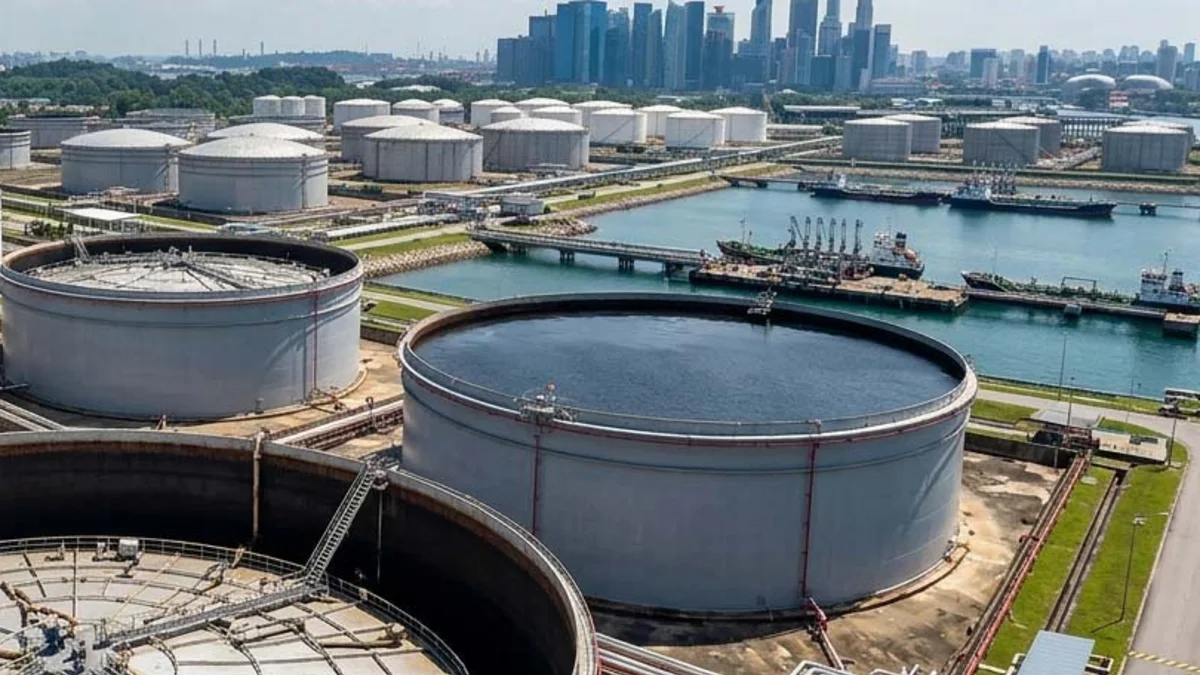
UAE floating roof tank reference covering petroleum storage, roof selection, vapor control, drainage, tank interface, inspection, and RFQ lessons.
Floating roof tank projects require early review of vapor control, drainage, seal design, roof access, and tank farm interfaces.
Floating roof tank projects are driven by stored product behavior
Petroleum and midstream storage projects often require a different review process from municipal water or wastewater tanks. The stored liquid may create vapor-control, fire-safety, seal, drainage, inspection, and operating-risk questions that must be resolved before fabrication. A floating roof can reduce the vapor space above the liquid, but the tank still needs a complete engineering review.
This UAE project reference is useful for buyers evaluating petrochemical and oil storage requirements. The important lesson is not only the tank diameter or the number of tanks. The important lesson is how roof type, shell design, seal details, roof drainage, fire protection interfaces, and inspection records are coordinated.
Industrial Tank Manufacturer uses project references like this to help buyers prepare better RFQs for storage terminals, fuel farms, refinery support facilities, and other industrial storage assets.
Technical Review Points for Floating Roof Storage
Review Point
Why It Matters
Stored product and vapor pressure
Product behavior affects roof type, seal selection, venting philosophy, and operating procedures.
Floating roof configuration
External or internal floating roof decisions affect weather exposure, rim seals, drains, access, and maintenance planning.
Roof drainage and rainwater handling
Drainage design must prevent water accumulation, product contamination, and operational safety issues.
Fire protection and tank farm interfaces
Foam systems, hydrants, spacing, containment, access roads, and emergency response should be coordinated with local requirements.
Inspection and maintenance access
Rolling ladders, platforms, gauges, drains, rim seals, and roof fittings must be serviceable throughout the design life.
Design standard and approval documents
API-style design, owner specifications, third-party inspection, and local approval requirements should be clarified before order.
Why project classification matters
A floating roof tank should not be treated as a generic steel tank with a different roof. The project belongs to a petroleum storage duty, so the RFQ must include stored product data, operating temperature, tank farm layout, fire-protection interfaces, emissions or vapor-control expectations, and inspection requirements.
For buyers building a terminal or fuel storage facility, the tank supplier’s scope should be clearly separated from EPC responsibilities: civil foundation, bund or containment, piping, instrumentation, fire systems, electrical grounding, cathodic protection where applicable, and commissioning support.
Practical RFQ lessons from tank farm projects
Early roof selection prevents late redesign. If an external floating roof is required, the buyer should identify rainwater handling, roof drain type, rim seal expectations, access ladder arrangement, and whether climate conditions create additional maintenance needs. If an internal floating roof is considered, the fixed roof interface, venting, seal material, and inspection route must be reviewed together.
The buyer should also compare suppliers by documentation quality. Drawings, material records, welding records, coating documents, inspection and test plan, packing or field fabrication plan, and installation guidance are all part of a serious high-value storage tank RFQ.
How this reference connects to product selection
A project like this may use welded steel tank construction, floating roof systems, and petroleum-duty accessories. Buyers researching the product side should review welded steel tanks, storage tank roofs, and the roof selection guide before issuing an RFQ.
If the project is in a coastal or desert environment, site loads, temperature swings, corrosion exposure, coating selection, and maintenance access should be included in the technical comparison. The cheapest tank package may not be the lowest-risk package for a petroleum terminal.
Standards and Reference Notes
For petroleum storage standards, buyers can identify relevant API documents through the API standards portal. Final standard selection should be confirmed by the owner, EPC contractor, and local authority.
Next RFQ Steps
For floating roof storage inquiries, provide product type, capacity, diameter, design standard, site loads, roof type, seal and drain expectations, fire-system interfaces, and inspection requirements.