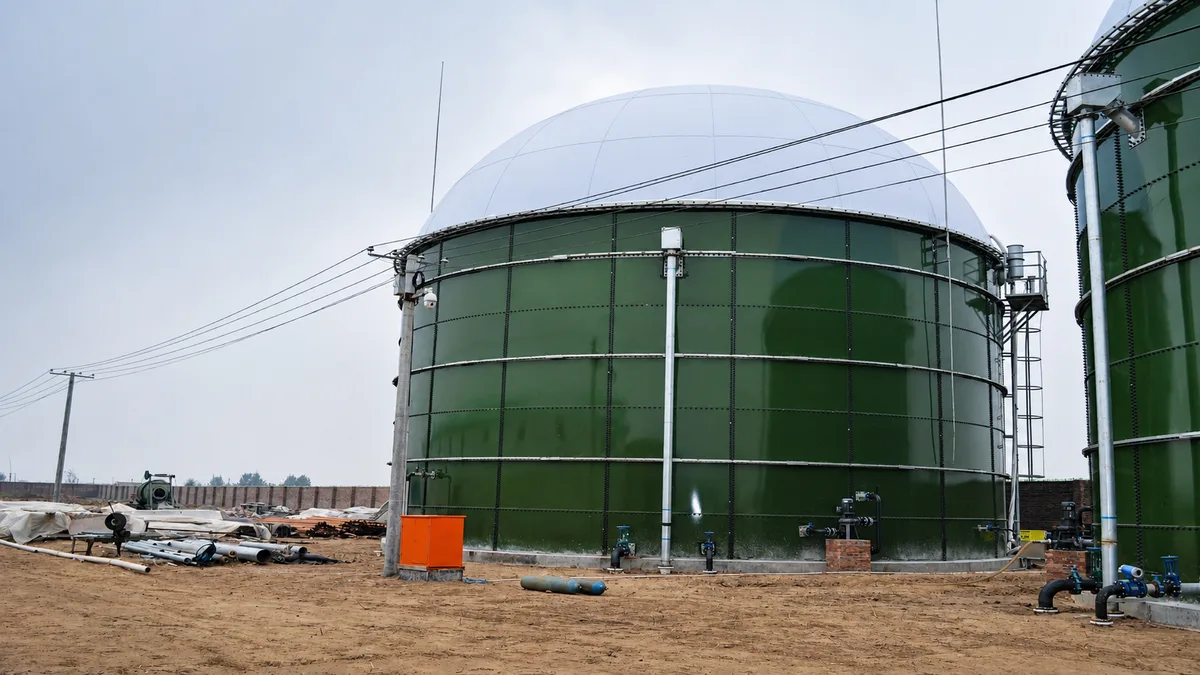
Review wastewater treatment tank projects for industrial wastewater, food processing, pulp and paper, equalization, biogas holders, coating, and RFQ data.
Wastewater project references should identify wastewater source, chemistry, equalization role, coating, cover, and treatment interface.
Wastewater projects vary by industry and treatment role
Wastewater treatment tank projects include municipal sewage, food and beverage wastewater, pulp and paper wastewater, livestock wastewater, industrial wastewater, high-COD organic streams, equalization tanks, sludge storage, and anaerobic digestion support. A project reference is useful only when it explains the wastewater source and the tank role.
Industrial wastewater projects should not be specified from volume alone. pH range, COD/BOD, TSS, temperature, chlorides, sulfides, oils, fats, cleaning chemicals, mixing, odor control, and solids handling all affect tank selection.
Wastewater project data to collect
Data point
Why it matters
Wastewater source
Dairy, citrus, juice, distillery, pulp mill, meat processing, industrial process, or municipal sewage changes chemistry and solids.
Tank role
Equalization, buffer storage, anaerobic support, sludge holding, emergency storage, or treated effluent storage each needs different accessories.
Chemistry
pH, COD, BOD, TSS, chlorides, sulfides, fats/oils/grease, and temperature guide coating or material selection.
Cover and odor
Open, fixed roof, aluminum dome, membrane cover, gas holder, and venting requirements must be separated.
Treatment interface
Clarify pumps, mixers, aeration, anaerobic digesters, gas holders, sampling, drain, overflow, and cleanout points.
Food, pulp, and industrial wastewater references
Food-processing wastewater often brings high organic loading, fats, cleaning chemicals, and odor concerns. Pulp and paper wastewater may involve fibers, suspended solids, variable chemistry, and large flow rates. Industrial wastewater can include a broader range of chemicals and should be reviewed case by case.
Buyers should group wastewater references by process duty and decision point, then compare chemistry, solids, cover requirements, and treatment interfaces. This produces a more reliable shortlist than comparing projects only by industry label or nominal capacity.
Tank and cover selection
Epoxy coated tanks, GFS tanks, stainless steel systems, sludge tanks, membrane gas holders, and roof systems may all appear in wastewater projects. The right selection depends on wastewater chemistry, gas or odor control, solids, access, and treatment process.
A wastewater tank quotation should include design liquid level, working volume, chemistry, operating temperature, solids content, mixing, roof or cover scope, nozzle list, maintenance access, inspection requirements, and site installation plan.
For early procurement review, use the RFQ data checklist so the supplier can distinguish budget assumptions from confirmed engineering requirements.
Process interfaces and acceptance planning
Tank scope must be coordinated with the process hydraulic profile and treatment equipment. Inlet energy, pump suction, mixer loads, aeration grids, internal piping, level instruments, sampling points, overflow, drain, cleanout access, and roof penetrations can all affect the shell, floor, supports, and maintenance plan. Where a membrane gas holder is included, gas pressure, condensate drainage, safety devices, and the interface between liquid treatment and gas utilization require separate review.
Acceptance documents may include approved drawings, material and coating records, dimensional inspection, holiday testing where specified, leak or hydrostatic test records, installation checks, and an agreed repair procedure. The inspection plan should distinguish factory records from field-assembly records so the owner knows which party is responsible for each checkpoint.
Operating variability and lifecycle access
Wastewater composition can change with production campaigns, cleaning cycles, seasonal flows, or upstream process changes. The design review should consider credible operating ranges rather than one average laboratory sample. Abrasion, sediment, floating grease, foam, sulfide exposure, and intermittent emptying may influence coating selection, mixing, ventilation, and inspection frequency.
Maintenance access should support safe cleaning, coating inspection, mixer removal, sensor replacement, and solids management. The project team should define isolation, confined-space controls, washdown, ventilation, and waste disposal under the applicable local safety system before commissioning.
Standards and Reference Notes
The U.S. EPA industrial wastewater resource provides United States permitting context, not a global discharge rule. Treatment obligations are local, while tank design must follow confirmed wastewater data, the owner specification, and applicable project codes.
Next RFQ Steps
Send wastewater source, chemistry, flow rate, working volume, tank role, roof or cover requirement, treatment interface, and site installation data for project review.
Compare references by wastewater function, not industry label
A wastewater reference from food processing, pulp production, distilling, citrus processing, or another industrial sector can be relevant, but the industry name is not enough to establish equivalence. The buyer should identify whether the tank supports collection, equalization, neutralization, anaerobic treatment, aeration, sludge storage, digestate handling, process buffering, or a gas-handling function. Each duty can impose different chemistry, solids, temperature, hydraulic, cover, odor-control, access, and maintenance requirements.
For a useful comparison, record the influent range and upset conditions, expected solids or abrasive material, gas-space exposure, cleaning or chemical addition, overflow and drain arrangement, required retention or buffer role, and the equipment interfaces. This makes it possible to use project references as structured evidence without implying that a tank selected for one process stage is automatically suitable for another.
The wastewater treatment application page provides the application framework; this project library should help buyers test an actual scope against it rather than replace the project design basis.
Make variability and lifecycle access part of the project scope
Industrial wastewater can change with production schedules, raw materials, cleaning cycles, rainfall or infiltration, batch discharge, treatment upsets, and future capacity changes. A robust RFQ separates normal and upset conditions and identifies which uncertainties remain to be confirmed. It should also identify what happens when a tank is isolated, drained, cleaned, inspected, repaired, or connected to temporary process routing. These operational details often affect access steelwork, nozzles, roof equipment, mixing interfaces, drainage, containment, and the owner’s maintenance plan.
Lifecycle access should be reviewed together with corrosion and inspection obligations. The proposal needs a defined boundary for lining or coating repairs, field touch-up, internal access, safe isolation, document handover, and responsibility for process acceptance. The corrosion protection guide can be used to organize exposure assumptions and acceptance records, but compatibility must still be verified for the actual wastewater envelope.
Use the RFQ data checklist to turn the reference review into a controlled enquiry with confirmed data, stated assumptions, and clear interface ownership before quotations are compared.