
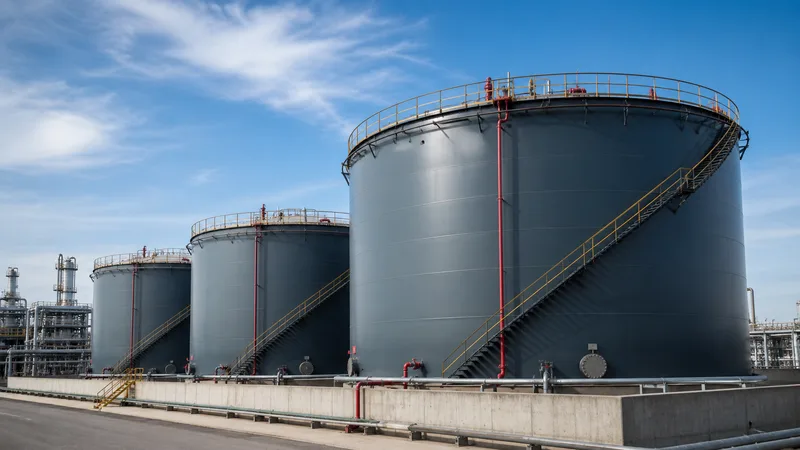
API 650 tank buying starts with the design basis
A welded steel storage tank quotation should never be reduced to diameter, height, and steel tonnage. For petroleum, chemical, industrial water, and process storage duties, the buyer should first define the tank standard, design pressure, design temperature, product density, corrosion allowance, roof type, foundation interface, and inspection requirements.
API 650 is commonly used for welded steel tanks in atmospheric or low-pressure storage service, but the standard still has to be applied through a project-specific specification. Buyers comparing welded steel tanks should request the design basis, material list, plate thickness schedule, nozzle schedule, roof details, and inspection plan before comparing prices.
This expanded checklist helps purchasing teams, EPC contractors, and owners move from a general inquiry to a technically reviewable RFQ. It also connects the article with the broader tank design standards page and the project RFQ workflow.
API 650 Welded Tank RFQ Data
| RFQ Item | What the Buyer Should Provide |
|---|---|
| Stored product and design conditions | Product name, density, vapor pressure, temperature range, corrosion risk, flash point if relevant, and whether the tank is for storage, blending, equalization, or emergency reserve. |
| Tank geometry and roof type | Required working volume, nominal capacity, diameter and height constraints, cone roof, dome roof, floating roof, or open-top requirement. |
| Site loads and location | Project country, wind speed, seismic data, snow load if applicable, soil or foundation assumptions, and whether local engineering approval is required. |
| Nozzles and appurtenances | Inlet, outlet, drain, overflow, vents, manways, level instruments, platforms, ladders, sample points, grounding lugs, and fire protection interfaces. |
| Inspection and documents | Material certificates, welding procedure requirements, NDT scope, hydrotest, coating records, drawing approval, packing list, and installation or supervision scope. |
Where buyer specifications often fail
The most common weakness is leaving the standard undefined. A buyer may ask for an API 650 tank, but then omit product density, corrosion allowance, nozzle loads, roof live load, settlement assumptions, and inspection class. The supplier then has to make assumptions, which makes quotation comparison unreliable.
Another problem is mixing requirements from different tank systems without clarifying priority. A welded tank, bolted tank, coated tank, and stainless steel tank can all store liquid, but they are not interchangeable under every site, schedule, and inspection condition. The buyer should decide whether the main driver is design code compliance, fast installation, corrosion resistance, freight efficiency, or long-term maintenance.
How to review corrosion and coating scope
API 650 does not remove the need for a corrosion strategy. The RFQ should state whether the tank uses a corrosion allowance, internal lining, external coating, cathodic protection, or a combination. For water, wastewater, and chemical service, the buyer should review the corrosion protection notes together with the stored product data.
Coating documents should identify surface preparation, coating system, dry film thickness, repair procedure, inspection method, and field touch-up responsibility. If the tank is shipped internationally, packing and transport protection also affect the final coating condition on site.
What separates a professional welded tank offer
A strong offer should include a design basis sheet, preliminary general arrangement, roof description, nozzle schedule, inspection plan, document list, delivery terms, and installation boundary. A weak offer may look cheaper because it excludes nozzles, platforms, coating, inspection, or engineering review.
For high-value projects, buyers should ask whether the supplier can support drawing revisions, third-party inspection, material traceability, welding records, and site technical support. These items are part of project risk control, not optional paperwork.
API 650 tank buying starts with the design basis: Codes and Evidence
Use the official API standards portal to identify the applicable API standard and edition. The project engineer should confirm the exact standard, edition, annexes, owner amendments, and local approval route before purchase.
Procurement Review for API 650-style welded steel storage
Before placing an order, the buyer should ask the supplier to confirm the engineering assumptions, included accessories, excluded items, inspection records, packing method, installation boundary, and document submission schedule for API 650-style welded steel storage. This prevents a low headline price from hiding missing nozzles, platforms, coating work, supervision, or approval documents.
The commercial comparison should separate the tank shell, roof or cover, internal and external protection, appurtenances, freight, installation support, spare parts, and commissioning documents. If two quotations do not use the same scope, they should not be compared as if they describe the same tank package.
Buyers should also ask how design changes are controlled after approval drawings are released. A late nozzle change, platform revision, coating change, or site-load update can affect fabrication, packing, delivery, and installation. A professional supplier should explain how revisions are reviewed, priced, documented, and reflected in the final drawing package.
The final order file should keep approved drawings, inspection records, packing lists, installation notes, and any agreed deviations together, so the site team can verify the delivered tank against the purchased scope.
For long-life storage assets, the order should also identify the recommended inspection interval, spare parts, repair materials, and contact route for technical support after commissioning.
This review should be completed before production release, when design corrections are still practical and inexpensive.
RFQ Preparation
Send the stored product data, capacity, design standard, site loads, nozzle schedule, roof type, coating requirement, inspection scope, and installation boundary when requesting welded steel tank pricing.