
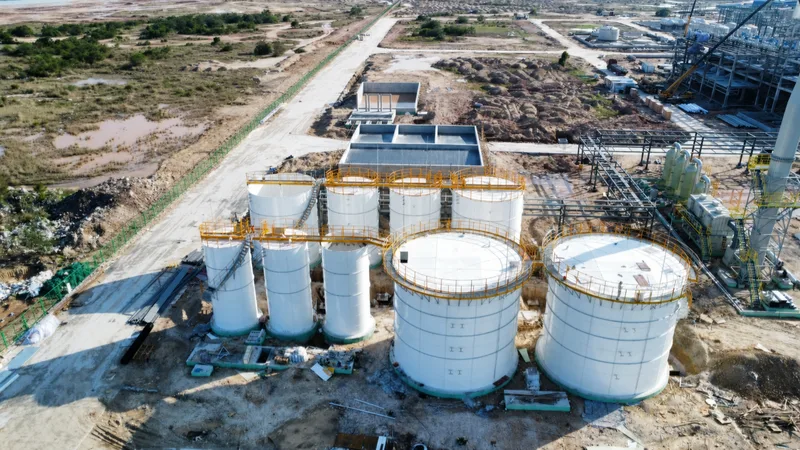
Equalization Starts With Stream Data
Textile wastewater equalization tanks are often used to moderate variable flows and characteristics before downstream treatment. The stream can change with dyeing, washing, rinsing, finishing, cleaning, production schedules, and batch discharges. Color, temperature, pH, salts, suspended material, surfactants, residual chemicals, and load can vary over time. An equalization tank should therefore be defined by measured or designed variation, not by an average daily quantity alone.
The tank duty has to be explicit. Some projects need hydraulic buffering; others need controlled blending, temperature moderation, temporary retention, pump feed stabilization, or a defined interface to chemical treatment, biological treatment, filtration, membrane systems, or sludge handling. These duties can require different inlet arrangements, working levels, mixing or circulation, instrumentation, access, and material selection. Treating them as one generic storage function can leave a critical process gap.
For the full plant context, see the wastewater treatment application guide. This checklist helps a buyer convert textile-process information into the tank and interface data that a manufacturer or EPC team can review before preparing a proposal.
Textile Wastewater Equalization RFQ Inputs
| RFQ topic | Information to provide |
|---|---|
| Streams and segregation | Each contributing stream, production area, batch release pattern, cleaning discharge, separate high-strength or chemical streams, and whether blending is permitted. |
| Flow and volume | Average, peak and minimum flow; hourly or batch profile; desired retention or equalization basis; normal and emergency levels; freeboard; and expansion allowance. |
| Chemistry and temperature | Representative analysis, pH range, temperature, color, dissolved salts, suspended solids, surfactants, cleaning agents, oxidizers or reducers, and material-compatibility requirements. |
| Tank operation | Mixing, recirculation, aeration if specified by the process designer, pumping, overflow, drains, level instruments, sampling, odor-control interfaces, and solids management. |
| Site and scope | Foundation, containment, access, power, controls, downstream treatment interface, installation route, local loads, inspection, testing, documentation, and commissioning boundary. |
Do Not Average Away the Operating Peaks
An average flow can conceal the operating condition that drives the tank. Batch dyeing, rinse cycles, washdowns, shift changes, or upstream storage releases may produce short high-flow periods that exceed the downstream treatment capacity. The hydraulic basis should include time-stamped measurements where available, a future production case, the desired minimum and maximum levels, and the response expected from pumps and controls. The designer can then calculate a working range rather than treating the full geometric volume as automatically usable.
Stream segregation is equally important. A high-strength, hot, highly colored, acidic, alkaline, oxidizing, reducing, or cleaning stream may need a separate management route before blending. The tank supplier needs to know which streams will enter the equalization vessel, what combinations are permitted, and whether the process team has defined restrictions on mixing. This prevents a tank quotation from becoming an unreviewed chemical-combination decision.
Materials and Coatings Follow the Real Design Envelope
Material selection should account for the complete expected envelope, including temperature, pH, dissolved salts, chemicals, deposits, cleaning agents, abrasive solids, vapor conditions, and the possibility of off-spec discharge. A supplier should not select a coating or tank material solely from the phrase textile wastewater. The owner or process engineer should provide the relevant analysis and state whether compatibility approval, coating documentation, and repair methods are part of the requested scope.
The tank package includes more than the shell. Bolts, sealants, gaskets, nozzles, pumps, instruments, ladders, platforms, drains, roof elements, and external supports may see different conditions. For a structured review of these interfaces, use the corrosion protection resource before finalizing the material schedule.
Mixing, Pumping and Solids Must Match the Defined Duty
Equalization may require a quiescent buffer, active mixing, recirculation, or another process-defined operation. The design should state the purpose of each feature: keeping solids suspended, avoiding stratification, feeding a downstream process, controlling temperature, preventing deposits, or supporting chemical dosing. Mixing equipment, pipework, nozzles, controls, access, and maintenance loads should be coordinated with the tank design rather than added after the shell arrangement is fixed.
The RFQ should also describe the inlet energy, outlet location, pump duty, recirculation rate if defined, overflow or bypass philosophy, drain route, sampling needs, and any requirement for odor-control or ventilation interfaces. These details affect operability and maintenance as well as tank geometry. They should be checked against the process designer's flow diagram and control narrative.
- State whether mixing or recirculation is required and why.
- Identify solids, scum, sediment, cleaning, sampling, and drain-management responsibilities.
- Coordinate pumps, electrical controls, treatment equipment, and tank access through a written scope boundary.
Prepare a Complete Bid Package
A useful bid package includes wastewater data, the hydraulic profile, treatment process diagram, site layout, required tank function, level philosophy, materials basis, access needs, local structural data, installation constraints, and the desired document set. It should also make clear which party supplies containment, foundations, piping, mixing, pumps, electrical work, controls, installation, testing, and commissioning. This enables suppliers to identify assumptions rather than quietly excluding a required interface.
For a complete wastewater tank enquiry, cross-check the information against the wastewater storage tanks page before submitting the project requirements. The goal is a proposal that matches the actual wastewater duty and scope rather than a generic tank price.
Data to Include in the RFQ
A textile wastewater equalization RFQ should describe the flow pattern and chemistry as clearly as the desired capacity, then identify the treatment, mechanical, civil, and controls interfaces.
- Process streams, production schedule, batch and cleaning discharges, segregation requirements, representative wastewater analysis, pH and temperature range, color, salts, solids, surfactants, and chemicals.
- Average, peak and minimum flow profile, desired equalization or retention basis, normal and emergency levels, freeboard, expansion case, and downstream treatment capacity.
- Required tank duty, mixing or recirculation objective, inlet and outlet arrangement, pumps, bypass, overflow, drains, sampling, odor-control or ventilation interface, and solids management.
- Material or coating basis, wetted components, gaskets, sealants, access hardware, corrosion review, inspection records, repair procedure, and compatibility responsibility.
- Foundation, containment, drainage, access, local loads, transport, lifting, installation route, power, electrical and controls scope, and commissioning responsibilities.
- Required drawings, calculations, inspection and test plan, document handover, operation manual, maintenance data, training, spare parts, and warranty boundary.