
Low Maintenance Still Needs a Defined Inspection Plan
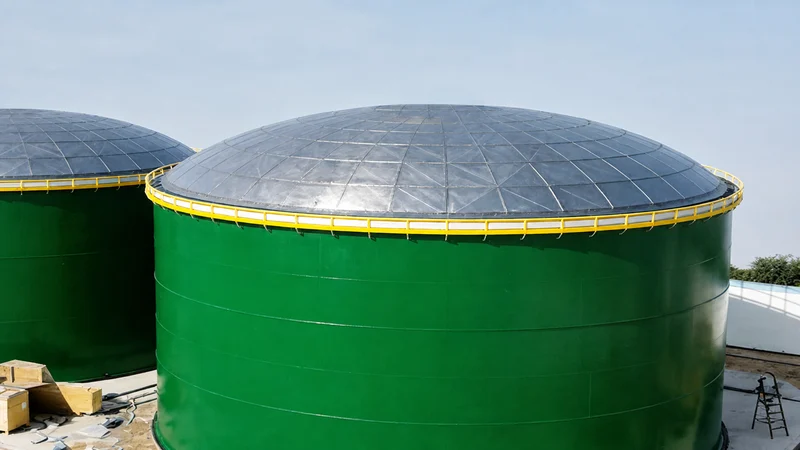
Aluminum geodesic dome roofs are selected for many storage duties because they provide a covered, lightweight structural solution with a defined geometry and access package. That does not mean the roof can be ignored after installation. A maintenance plan should match the actual tank service, environment, roof attachments, access constraints, weather exposure, safety rules, and owner inspection program. The aim is to identify small issues before they affect drainage, access, sealing, structural attachments, or operating availability.
This guide is a planning resource, not a substitute for the roof supplier’s drawings, operating manual, inspection procedure, or a qualified engineer’s assessment. The project documents remain the primary source for permitted loads, roof access, attachment changes, maintenance intervals, and repair methods. If corrosion, settlement, process changes, or abnormal movement is observed, the owner should escalate through its engineering and safety process rather than rely on a generic checklist.
For roof construction and selection context, use the aluminum dome roofs page and the tank roof selection guide. The following points help facility teams prepare their own inspection scope.
Dome Roof Inspection Planning Matrix
| Inspection area | What the owner should define |
|---|---|
| Safety and access | Authorized access route, fall protection, permit process, weather limits, rescue plan, isolation requirements, and load restrictions. |
| Drainage and weather | Drain paths, gutters or collection points where supplied, debris controls, ponding observations, wind or storm event checks, and surrounding vegetation. |
| Structure and attachments | Visible member condition, hubs, fasteners, perimeter connections, penetrations, platforms, vents, instruments, pipe supports, and unauthorized additions. |
| Seals and interfaces | Panel joints, flashing, penetrations, gaskets, sealants, expansion interfaces, roof-to-shell connection, and evidence of water ingress. |
| Records and response | Inspection date, photographs, findings, corrective owner, repair approval, drawings, warranty or supplier contact, and close-out evidence. |
Start With Safe Access and the Current Design Documents
Before any roof inspection, the operator should confirm the approved access route, fall-protection arrangement, permit requirements, weather limits, isolation procedure, and load restrictions. Roof access may be restricted by the tank service, vapor conditions, nearby process equipment, wind, rain, or the condition of platforms and ladders. An inspection plan should identify who is authorized to enter the area, what equipment is allowed, and how the roof is protected from dropped objects or unplanned loads.
Use current drawings and the supplier’s operating information to identify the roof geometry, permitted attachments, penetrations, drainage features, and inspection locations. If drawings are missing or a roof has been modified, reconcile the actual installation before approving additional equipment. Adding pipe supports, antennas, cable trays, temporary lifting points, or access equipment without structural review can create load paths not considered in the original design.
Inspect Drainage, Joints and Roof Interfaces Together
A practical external inspection looks for debris, blocked drainage routes, standing water, damage around penetrations, loose or deteriorated sealant, unusual staining, and evidence of water entering the tank or insulation system. The inspection frequency should reflect the site environment and exposure, including storms, marine conditions, nearby industrial emissions, trees, birds, and maintenance traffic. Record observations with enough location detail to support a repair decision later.
Joints, fasteners, hubs, perimeter connections, flashing, vents, hatches, instrument penetrations, and interfaces to the shell should be considered as a system. A minor seal issue may be associated with movement, an attachment load, thermal cycling, drainage, or previous work nearby. The correct response is not automatically to add sealant; first confirm the cause, the approved repair material, surface preparation, safety requirements, and whether the supplier or engineer must review the condition.
- Inspect after material storm events or work that changes roof attachments.
- Keep drainage routes free of debris without using unapproved tools or loads.
- Record roof condition, location, photographs, actions, and the responsible close-out owner.
Control Changes to Attachments and Access Equipment
Roof-mounted or roof-connected equipment can affect structural loading, watertightness, access, and maintenance. New vents, sampling equipment, lighting, piping, sensors, cable trays, platforms, or temporary rigging should pass through a documented change-control review. The review should consider load, wind, vibration, corrosion, thermal movement, sealing, electrical classification, process isolation, and future access. A visible open space on a roof is not evidence that it can carry a new attachment.
The same discipline applies to contractor work. Define where equipment may be staged, how materials are lifted, how fasteners and debris are controlled, and who inspects the roof after work is complete. These controls protect the roof and reduce the risk of introducing damage during otherwise routine maintenance. For broader installation and access planning, consult the tank installation guide.
Turn Inspection Findings Into an Actionable Program
An inspection has value when it produces a traceable decision. The owner should classify findings by safety, containment, operability, and structural relevance; assign an action owner and due date; preserve photographs and location references; and document the final disposition. Conditions that affect gas handling, hazardous access, structural integrity, or water ingress should be escalated under the site safety and engineering procedures rather than placed on a routine maintenance list without review.
When requesting a repair, upgrade, or replacement quotation, issue the roof drawings, tank duty, photographs, inspection records, attachment details, access restrictions, site environment, and desired work window. A supplier can then identify whether the scope is a maintenance item, a replacement component, or an engineering change. Clear documentation also avoids a repair that solves a visible symptom while leaving the original cause unresolved.
Data to Include in the RFQ
For dome roof inspection, repair, or upgrade work, provide the roof drawings, tank duty, site conditions, access plan, photographs, findings, required work window, and owner approval requirements.
- Tank service, roof type and drawings, roof diameter, roof attachments, current operating constraints, hazardous-area information, and access restrictions.
- Inspection findings with photographs, locations, date, weather context, drainage or water-ingress observations, and any prior repair history.
- Requested scope: inspection support, seal or flashing repair, component replacement, attachment review, roof upgrade, or engineering assessment.
- Permitted access route, fall protection, permits, isolation, rescue plan, lifting plan, staging restrictions, weather limits, and contractor responsibilities.
- Site environment including wind, rainfall, UV, marine or industrial exposure, vegetation, drainage, and nearby process activities.
- Required method statement, inspection records, material information, repair procedure, testing, close-out evidence, warranty boundary, and handover documentation.