
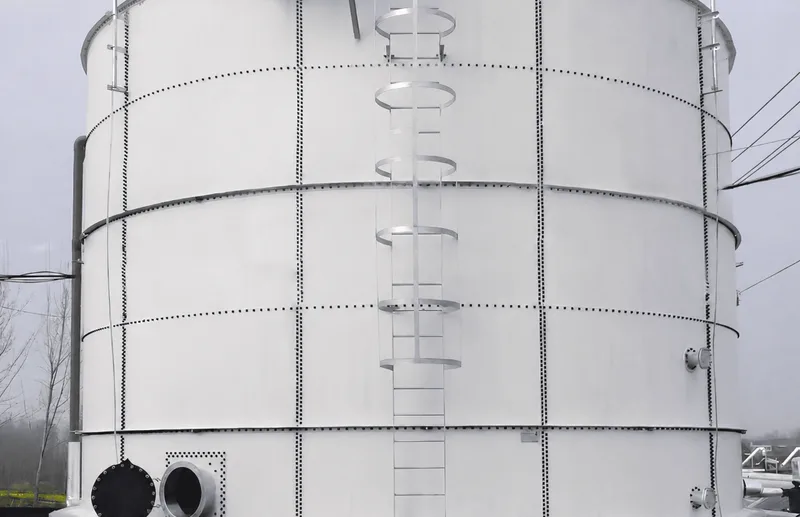
A Certificate Is Evidence With a Defined Boundary
An epoxy-coated tank RFQ may request certificates, test reports, quality-system evidence, coating records, or water-contact documentation. These documents can be valuable, but only when the buyer reads their stated scope. A document may apply to a named organization, manufacturing site, material, coating system, process, component, inspection method, batch, product range, temperature range, or intended use. It may not cover the complete installed tank, every accessory, the actual stored liquid, local regulatory acceptance, installation quality, or performance of a combined project system. The RFQ should therefore ask for evidence that is relevant to the defined application and make each document boundary visible.
For the product context, start with the fusion bonded epoxy tanks page. This article focuses on buyer review of documentation, not on a claim that one certificate makes a coating or tank universally suitable. The final acceptance route must be established by the owner, responsible engineers, and any applicable authority for the actual project and stored media.
Certification Scope Review Matrix
| Document question | What the buyer should confirm |
|---|---|
| Identity and status | Document name, identifier, issuing body, issue and expiry dates, revision, holder, manufacturing location where stated, and a method to confirm current validity. |
| Exact scope | Named management system, coating, material, process, product family, component, inspection method, plant, temperature or service condition, exclusions, and limits. |
| Project relevance | How the document relates to the specified stored media, water contact or process duty, corrosion exposure, coating preparation, accessory materials, location, and owner acceptance criteria. |
| Traceability | Purchase order, approved submittal, material or coating lot where applicable, fabrication and inspection records, deviations, repair records, document control, and handover file. |
Ask What Exactly the Document Covers
The first question is not whether a supplier has “certifications”; it is what each document actually covers. Read the title, certificate number, issuing body, holder, site address where stated, issue and expiry date, revision, scope statement, and exclusions. A quality-management certificate, for example, may describe a management system at a named site. It does not by itself certify every product configuration, coating batch, installation activity, water-contact application, or project outcome.
Similarly, a coating data sheet, test report, approval, or inspection qualification can apply to a specified product, preparation method, substrate, curing condition, temperature range, or test protocol. The buyer should request the current controlled document and compare its wording against the RFQ. A broad marketing phrase should never replace a document-level scope review or the owner-defined acceptance criteria.
Connect Certification Evidence to the Actual Duty
An epoxy-coated tank should be evaluated against the stored media, temperature, operating range, cleaning chemicals, solids, immersion and vapor exposures, external climate, abrasion, repair method, and expected maintenance conditions. A document that supports one exposure or material does not automatically establish suitability for a different liquid or environment. The project team should define the compatibility and approval basis, then ask the supplier to identify the evidence relevant to the supplied configuration.
For coating and exposure questions, use the corrosion protection guide to organize material, preparation, coating, repair, and inspection inputs. The guide helps structure the enquiry. It does not override project-specific chemistry, owner restrictions, local rules, or manufacturer limitations that must be addressed before a coating system is released.
Review the Tank as a System, Not Just the Panel
A tank system can include coated shell and floor panels, joint sealants, bolts, gaskets, nozzles, roof components, ladders, vents, hatches, instruments, internal fittings, field repairs, and accessories supplied by different parties. The buyer should identify which components are within the scope of each document and which remain subject to separate review. If a potable-water or regulated process duty is involved, the locally accepted route should be named for the complete specified system rather than assumed from one coating certificate.
The RFQ should also define preparation, application, curing, handling, transport, storage, field touch-up, inspection, and repair requirements. A coating may be compliant with a stated factory process while later site work, damage, or an unapproved repair changes the installed condition. The contract needs a clear repair procedure, inspection record, and responsibility for approving deviations.
Make Validity and Traceability Easy to Audit
Evidence is most useful when it can be checked later. Record the document identifier, revision, issuer, validity date, scope, holder, related product or coating, and the project submittal in a controlled register. Where the project requires batch, material, coating, fabrication, inspection, or repair records, state exactly which identifiers must connect the supplied equipment to the handover file. Do not ask for generic certificates that cannot be linked to the actual supplied scope.
The manufacturing quality page can help frame this discussion: see manufacturing certifications. It explains the role of documented evidence in a broader manufacturing context. The buyer still needs to confirm the precise document and acceptance route required for the specific application, location, owner specification, and contract.
Turn the Review Into a Controlled RFQ Requirement
A practical RFQ lists the required document types, minimum contents, accepted issuing body or authority route where specified, current validity requirement, submission timing, language or translation requirement, and the relationship between documents and the supplied product configuration. It should state which documents are for information, which require approval before fabrication, and which records are required at handover. This prevents bidders from substituting an unrelated certificate for a required project record.
The final comparison should identify evidence supplied, scope limits, missing items, deviations, open compatibility questions, field-repair controls, and responsible parties. A certificate can then support a transparent procurement decision without being overstated as a blanket guarantee of chemical compatibility, local approval, water quality, installation workmanship, or complete system performance.
Data to Include in the RFQ
An epoxy-coated tank RFQ should name the application and required evidence first, then require current, scoped, traceable documents that match the supplied configuration and handover file.
- Stored media, temperature, operating range, cleaning chemicals, immersion and vapor exposure, external climate, abrasion or solids, water-contact or process requirements, and the responsible compatibility review.
- Required documents with identifier, issuer, holder, manufacturing location where stated, revision, issue and expiry dates, scope, exclusions, accepted approval route, and submission timing.
- Tank, coating, sealant, fastener, gasket, nozzle, roof, access, instrument, repair, inspection, and installation elements covered by each document, plus items requiring separate evidence.
- Material and coating traceability, preparation and repair procedure, inspection and test plan, deviation control, handover register, final acceptance criteria, and responsibilities for owner, supplier, installer, engineer, and authority review.