
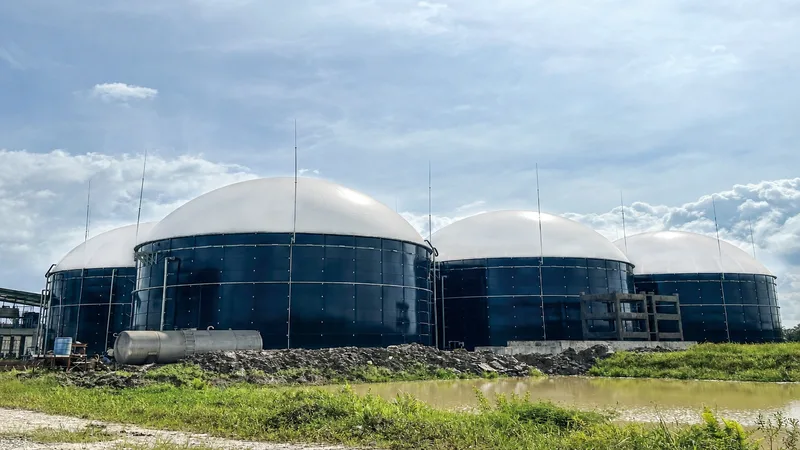
Food Waste Is a Variable Process Feedstock
Food-waste anaerobic digestion projects may involve reception, slurry preparation, digestion, gas storage, digestate handling, washdown, and associated process equipment. The tank or reactor cannot be specified from a capacity request alone because feedstock characteristics, contamination, solids, temperature, mixing, hydraulic retention, gas handling, cleaning, and maintenance all influence the configuration. The owner or process designer should define the duty and performance basis; a tank supplier should not be asked to infer a complete digestion process from a general feedstock name.
For application context, start with the biogas and anaerobic digestion page. This article focuses on turning the process inputs into a more comparable tank RFQ.
Food-Waste Digestion RFQ Inputs
| RFQ topic | Information to provide |
|---|---|
| Feedstock | Source, expected volume, solids, contaminants, packaging removal, seasonal or batch variation, pH, temperature, cleaning chemicals, and representative analysis. |
| Process duty | Tank function, mixing objective, hydraulic and solids retention basis, operating temperature, pressure or vacuum cases, gas route, digestate route, and expected upset conditions. |
| Tank and interfaces | Material or protection basis, roof or membrane interface, nozzles, access, drains, pumps, heating, instruments, gas safety scope, foundations, and installation boundary. |
| Handover | Inspection and test plan, repair procedure, documents, operating limits, maintenance access, spare parts, commissioning boundary, and acceptance criteria. |
Define Feedstock and Process Function
Food waste can vary by source, preparation method, packaging removal, water addition, solids content, fats, cleaning residues, and operating season. The RFQ should distinguish normal, high-solids, dilute, batch, shutdown, and upset conditions. It should identify which material enters the supplied tank and which equipment lies upstream or downstream.
The duty must be named: reception storage, feed equalization, digester, buffer, slurry storage, digestate storage, or another process-defined function. Mixing, heating, pumping, instrumentation, access, and gas interfaces depend on that duty. A container used for one function should not be assumed suitable for another without process review.
Document Liquid, Vapor, and Gas Interfaces
Organic acids, solids, deposits, cleaning chemicals, vapor-space moisture, and biogas constituents can create different exposure zones. The owner should provide representative and design analysis and identify the required compatibility review for shell, floor, roof, joints, gaskets, nozzles, fasteners, access hardware, and repair method. The corrosion protection guide can help organize these questions.
Gas-handling scope needs the same clarity. State whether the package connects to a membrane cover, gas holder, flare, treatment skid, compression system, condensate equipment, or another party-supplied interface. Pressure, vacuum, isolation, detection, relief, controls, hazardous-area basis where applicable, and emergency responsibilities belong in the approved project safety documentation.
Design for Inspection, Cleaning, and Change Control
Food-waste systems need a practical route for inspection, cleaning, sampling, isolation, solids removal, drain-down, repair, lifting, and safe access. The bid package should identify manways, roof access, platforms, fall protection, washdown, drains, temporary works, instrumentation, and restrictions on later attachments. These items affect both the tank and the plant layout.
Changes in feedstock, temperature, mixing, cleaning chemicals, accessory loads, or gas arrangement can invalidate early assumptions. Establish who reviews changes and what record is required before release. Compare the defined duty with anaerobic digester tank options only after the process and safety basis are documented.
Coordinate Construction With Process Readiness
Tank delivery should be coordinated with foundation readiness, weather protection, material laydown, lifting access, utilities, process tie-ins, controls, and the availability of the commissioning team. A fabricated tank or modular package should not be treated as a complete operating digester until the defined mechanical, process, gas, electrical, safety, and documentation boundaries have been completed.
Before handover, identify the operating level limits, inspection points, cleaning sequence, maintenance access, alarms, isolation procedure, repair records, and spare parts. This creates a documented transition from construction to operation and helps ensure later changes in feedstock or processing conditions are reviewed against the original equipment assumptions.
Use the RFQ to Compare Boundaries
A robust enquiry states what the tank supplier provides and what remains with the process, civil, electrical, controls, piping, gas, installation, testing, commissioning, and operating teams. It identifies the required drawings, records, inspection points, manuals, spares, and final acceptance evidence. This reduces the risk of comparing incomplete packages by nominal capacity alone.
Use the industrial tank RFQ checklist before issue. The intended outcome is a transparent engineering quotation, not a general claim that one tank type is appropriate for every food-waste digestion project.
Data to Include in the RFQ
A food-waste anaerobic digestion tank RFQ should state feedstock, process function, liquid and gas exposure, mechanical interfaces, site constraints, inspection, and the delivery boundary.
- Feedstock source, quantity, solids, contaminants, pH, temperature, cleaning chemicals, variability, representative analysis, and expected upset conditions.
- Tank process function, mixing and heating objective, operating levels, hydraulic and solids retention basis, gas route, digestate route, pressure or vacuum cases, and process responsibility.
- Material or protection basis, roof or membrane interface, access, drains, pumps, instruments, foundations, site loads, installation, inspection, repair, and maintenance requirements.
- Gas safety, isolation, relief, controls, condensate, electrical interfaces, documents, commissioning, operating limits, spare parts, and final acceptance boundary.