
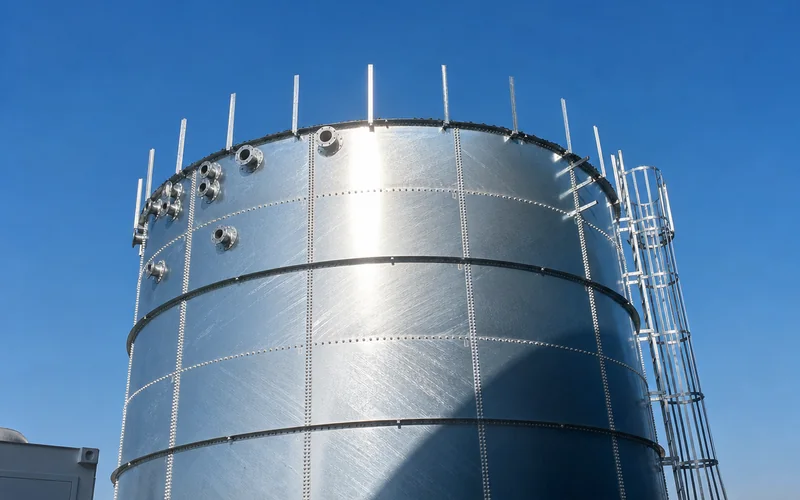
Grain silo design starts with the commodity and storage plan
A grain storage silo is not only a large metal container. The design depends on the commodity, bulk density, moisture content, storage duration, filling method, unloading method, aeration, temperature monitoring, roof loads, and site logistics.
Export buyers should prepare a structured RFQ before comparing grain storage silos. A thin inquiry that only states capacity can miss aeration fans, conveyors, temperature cables, roof vents, ladders, platforms, sweep augers, and foundation interface details.
This expanded guide focuses on project specification quality. It is useful for granary, feed mill, flour mill, farm storage, and port-side handling projects where silo supply must connect with conveyors and civil works.
Grain Silo RFQ Data
| RFQ Item | Why It Matters |
|---|---|
| Commodity and bulk density | Corn, wheat, rice, soybean, feed ingredients, and other commodities have different flow, weight, and storage behavior. |
| Moisture and storage duration | Moisture risk affects aeration, ventilation, temperature monitoring, and grain management. |
| Filling and discharge method | Bucket elevator, conveyor, auger, truck loading, reclaim system, and outlet pattern affect roof and floor details. |
| Aeration and monitoring | Fans, ducts, vents, temperature cables, sensors, and control scope should be defined before quotation. |
| Site and export logistics | Foundation, unloading area, container delivery, local installation tools, and access roads influence schedule and cost. |
Aeration and monitoring are part of the silo system
A silo shell can be structurally correct but operationally weak if aeration and monitoring are omitted. Grain condition is affected by moisture, temperature, airflow, and storage duration. The buyer should coordinate silo supply with the grain handling and storage management plan.
If the project requires aeration fans, roof vents, floor ducts, temperature cables, or automated monitoring, these items should appear in the RFQ and quotation. Otherwise, the buyer may receive a low shell price that does not include the operating system.
Structural and handling interfaces
Filling equipment can place loads on the roof or require special openings. Discharge systems affect hopper, flat-bottom, sweep auger, tunnel, or reclaim design. These interfaces should be frozen before fabrication.
For export projects, buyers should also confirm panel packing, bolt and sealant quantities, installation sequence, crane or lifting equipment, and spare parts. A containerized delivery is efficient only when site storage and installation planning are ready.
Quotation comparison for grain projects
Compare silo offers by steel specification, coating or galvanizing, roof and wind load basis, accessory list, aeration scope, temperature monitoring scope, installation support, and project documentation. Capacity alone is not enough.
The supplier should provide drawings, foundation load data, bill of materials, packing list, installation manual, and accessory list. These documents help the civil contractor, equipment supplier, and owner coordinate the full storage project.
Grain silo design starts with the commodity and storage plan: Codes and Evidence
For grain storage management context, Iowa State University Extension publishes crop storage and drying guidance through Iowa State Extension grain storage resources. NDSU also provides grain drying and storage references at NDSU grain drying resources.
Procurement Review for grain storage silo projects
Before placing an order, the buyer should ask the supplier to confirm the engineering assumptions, included accessories, excluded items, inspection records, packing method, installation boundary, and document submission schedule for grain storage silo projects. This prevents a low headline price from hiding missing nozzles, platforms, coating work, supervision, or approval documents.
The commercial comparison should separate the tank shell, roof or cover, internal and external protection, appurtenances, freight, installation support, spare parts, and commissioning documents. If two quotations do not use the same scope, they should not be compared as if they describe the same tank package.
Buyers should also ask how design changes are controlled after approval drawings are released. A late nozzle change, platform revision, coating change, or site-load update can affect fabrication, packing, delivery, and installation. A professional supplier should explain how revisions are reviewed, priced, documented, and reflected in the final drawing package.
The final order file should keep approved drawings, inspection records, packing lists, installation notes, and any agreed deviations together, so the site team can verify the delivered tank against the purchased scope.
For long-life storage assets, the order should also identify the recommended inspection interval, spare parts, repair materials, and contact route for technical support after commissioning.
This review should be completed before production release, when design corrections are still practical and inexpensive.
RFQ Preparation
Send commodity, bulk density, capacity, filling and unloading method, aeration needs, monitoring scope, roof loads, site layout, and installation boundary for grain silo pricing.